
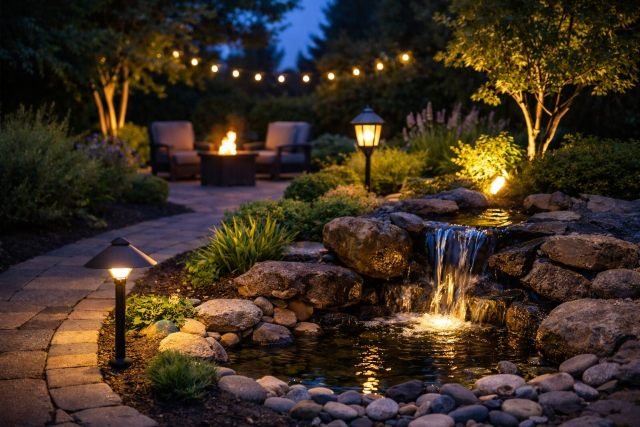
Outdoor lighting is no longer just about visibility after sunset. It plays a vital role in home safety, aesthetics, property value, and outdoor usability. Among the many lighting options available today, low voltage garden lights stand out as a practical, efficient, and future-ready solution for outdoor illumination.
Low voltage garden lights are widely used by homeowners, landscapers, and designers because they provide elegant lighting effects while remaining energy-efficient and safe. They allow outdoor spaces to look inviting after dark without the high operating costs or electrical risks associated with traditional lighting systems. Whether you want to softly illuminate pathways, highlight garden features, or create ambiance for outdoor gatherings, low voltage garden lights deliver consistent and reliable performance.
This in-depth guide explains what low voltage garden lights are, how they work, their advantages over traditional systems, and why they are considered the smartest long-term investment for outdoor lighting.
What Are Low Voltage Garden Lights?
Low voltage garden lights are outdoor lighting systems that operate on 12 volts of electricity rather than the standard 120 volts used in household power. A transformer converts the higher voltage from your home into a lower, safer voltage before electricity reaches the light fixtures.
Because of their reduced voltage, these lights are commonly used in gardens, pathways, patios, decks, and landscaped areas. They are specifically designed to provide controlled illumination without overwhelming brightness, making them ideal for both decorative and functional outdoor lighting.
Low voltage garden lights are available in many styles, including path lights, spotlights, floodlights, and well lights. Most modern systems now use LED technology, which further enhances efficiency and lifespan.
How Low Voltage Garden Lighting Systems Work
A low voltage garden lighting system begins with a transformer connected to a standard outdoor electrical outlet. The transformer steps down the voltage and sends electricity through low voltage cables that distribute power to each fixture. These cables are typically shallow-buried or hidden beneath mulch or soil, allowing for easy installation and adjustments.
The system is often paired with a timer or smart controller that automatically turns the lights on at dusk and off at a set time. This automation improves convenience while ensuring consistent lighting every night without manual operation.
Because the voltage is low, the system is far more forgiving than traditional lighting. Adjustments, expansions, and repositioning of fixtures can be done without advanced electrical knowledge.
Safety Benefits of Low Voltage Garden Lights
Safety is one of the strongest reasons homeowners choose low voltage garden lights. Since the system operates at just 12 volts, the risk of electric shock is extremely low, even in damp or rainy conditions.
This makes low voltage garden lights particularly suitable for households with children and pets. They are also ideal for gardens, lawns, and walkways where moisture is common. Unlike high-voltage systems, these lights do not require deep trenching or heavy conduit, further reducing potential hazards.
According to electrical safety guidelines referenced by the U.S. Consumer Product Safety Commission, low voltage outdoor lighting significantly minimizes the risk of electrical accidents compared to standard voltage installations.
Energy Efficiency and Cost Savings
One of the most appealing advantages of low voltage garden lights is their energy efficiency. When combined with LED bulbs, these systems consume a fraction of the electricity required by traditional outdoor lighting.
LED-based low voltage garden lights can use up to 80 percent less energy than incandescent or halogen alternatives. This reduced consumption translates directly into lower electricity bills, especially for homeowners who keep outdoor lights on for extended periods.
The U.S. Department of Energy reports that LED lights can last between 20,000 and 50,000 hours, which means fewer replacements and lower maintenance costs over time. When evaluated over several years, low voltage garden lights are far more economical than high-voltage systems.
Ease of Installation and Maintenance
Low voltage garden lights are designed with simplicity in mind. Most systems are considered DIY-friendly and do not require professional electricians or special permits. The fixtures connect easily to low voltage cables, and the transformer plugs into a standard outdoor outlet.
Maintenance is also minimal. LED bulbs rarely need replacement, and fixtures are built to withstand outdoor conditions. If landscaping changes, lights can be repositioned or expanded without rewiring the entire system.
This flexibility makes low voltage garden lights ideal for homeowners who want long-term adaptability without recurring labor costs.
Design Flexibility and Aesthetic Control
Low voltage garden lights offer exceptional design freedom. They allow precise control over light placement, brightness, and direction, making it easier to create layered lighting effects.
Pathways can be softly illuminated for safety, while trees, shrubs, and architectural features can be highlighted for visual impact. Decks and patios can benefit from subtle lighting that enhances ambiance without overpowering the space.
Because low voltage garden lights produce focused illumination, they help reduce glare and light pollution. This results in a more natural nighttime appearance that enhances rather than overwhelms outdoor environments.
Environmental Advantages of Low Voltage Garden Lights
Low voltage garden lights are an environmentally responsible lighting option. Their low energy consumption reduces overall carbon emissions, especially when paired with LED technology. Unlike some traditional bulbs, LEDs contain no mercury and generate minimal heat.
Focused light output also minimizes unnecessary light spill, helping preserve nighttime ecosystems and reducing disruption to wildlife. Many homeowners further enhance sustainability by using smart controllers or solar-assisted transformers.
Organizations such as ENERGY STAR recognize LED outdoor lighting as a key contributor to energy conservation and environmental protection.
Low Voltage Garden Lights Compared to Traditional Outdoor Lighting
When comparing low voltage garden lights to traditional outdoor lighting, the differences are clear. Low voltage systems operate more safely, consume less energy, and are easier to install and maintain. Traditional systems may offer higher brightness, but they come with increased costs, higher risks, and limited flexibility.
For most residential applications, low voltage garden lights provide more than enough illumination while delivering superior efficiency and control.
Common Applications for Low Voltage Garden Lights
Low voltage garden lights are commonly used to illuminate walkways and driveways, improving nighttime visibility and reducing trip hazards. In gardens, they are used to highlight plants, water features, and decorative elements, creating depth and visual interest after dark.
They are also effective for improving home security by eliminating dark areas around the property. Outdoor living spaces such as patios, decks, and seating areas benefit from soft, welcoming lighting that extends usability into the evening.
Choosing the Right Low Voltage Garden Lights
Selecting the right low voltage garden lights requires consideration of brightness, color temperature, and fixture material. Brightness is measured in lumens, and different areas require different levels of illumination. Pathways generally need lower brightness, while accent or security lighting may require higher output.
Color temperature affects mood and appearance. Warm white tones create a cozy, inviting atmosphere, while cooler tones provide greater visibility and a modern look. Fixture materials such as brass, copper, aluminum, and stainless steel each offer different benefits in terms of durability and style.
Practical Tips for Best Results
For optimal performance, LED bulbs should always be used due to their efficiency and longevity. Light placement should be tested at night before finalizing installation to ensure balanced illumination. Over-lighting should be avoided, as subtle lighting often produces the most elegant results.
Using timers or smart controllers helps automate schedules and prevents unnecessary energy use. Regularly checking connections and cleaning fixtures will also help maintain consistent performance over time.
Frequently Asked Questions About Low Voltage Garden Lights
Low voltage garden lights are bright enough for most residential outdoor needs, especially when using modern LED technology. They do not require an electrician for installation, making them accessible to most homeowners. High-quality LED low voltage garden lights can last for decades with normal use. These systems are also expandable, allowing homeowners to add or rearrange lights as their landscape evolves.
Conclusion: Why Low Voltage Garden Lights Are the Smart Choice
Low voltage garden lights offer an ideal combination of safety, efficiency, flexibility, and aesthetic appeal. They enhance outdoor spaces without excessive energy use, reduce long-term costs, and provide a safer alternative to traditional lighting systems.
For homeowners seeking reliable and visually pleasing outdoor illumination, low voltage garden lights are a smart, future-proof choice. With thoughtful planning and proper installation, they can transform gardens and outdoor living areas into beautiful, functional spaces that shine every night.