
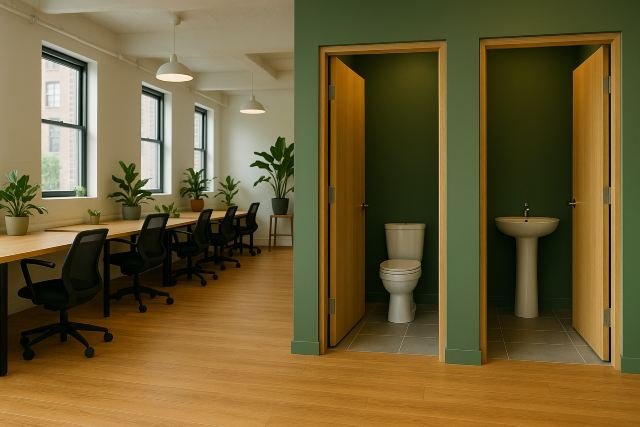
Introduction to co bathrooms and their purpose
In today’s evolving workspace landscape, the concept of shared amenities is taking a bold turn. Enter co bathrooms — an innovative approach that redefines how we think about restroom spaces in offices and communal environments. These gender-neutral facilities are designed for collaboration, inclusivity, and efficiency, reflecting modern values in the workforce. But what exactly are co bathrooms? And why are they becoming an essential feature in many workplaces? Let’s dive into this trend that merges functionality with a progressive mindset.
The benefits of co bathrooms for shared workspaces
Co bathrooms are shared restrooms that are open to all employees or members of a shared workspace. They are designed to promote inclusivity and eliminate the stigma attached to traditional gender-specific restrooms. In co bathrooms, there are no designated male or female This setup fosters a sense of community that traditional single-occupancy restrooms often lack.
These spaces promote efficiency as well. With more stalls available, the wait time decreases significantly during busy hours. Employees can refresh and return to their tasks quickly.
Additionally, co bathrooms offer an opportunity for inclusivity. By featuring gender-neutral facilities, companies create environments where everyone feels welcome — regardless of gender identity or expression.
They also reduce maintenance costs associated with multiple separate restrooms, allowing funds to be redirected towards enhancing employee experiences elsewhere in the workspace.
Another advantage is the potential for modern amenities such as touchless fixtures and eco-friendly products which improve hygiene while promoting sustainability within the organization’s culture.
Potential concerns and how they are addressed
As with any new concept, co bathrooms come with their share of concerns. Privacy is often the first worry that arises. Many individuals hesitate at the idea of sharing a bathroom space, fearing a lack of personal comfort.
To address these apprehensions, companies are designing co bathrooms with thoughtful layouts. Separate stalls provide ample privacy while maintaining an open and inviting atmosphere. High-quality partitions help ensure users feel secure during their visits.
Hygiene is another significant concern in shared spaces. Regular cleaning schedules and high standards for sanitation can alleviate worries about cleanliness. Facilities equipped with touchless faucets and soap dispensers further enhance the experience.
Cultural differences may impact perceptions around shared restrooms. Education and awareness initiatives can promote understanding among employees from diverse backgrounds, fostering acceptance over time within workplace cultures focused on inclusivity.
Examples of companies implementing co bathrooms
Several forward-thinking companies are embracing the co bathroom concept, leading the way in modern workplace design. For instance, Google has incorporated gender-neutral restrooms in its offices worldwide. This move aligns with their commitment to creating an inclusive environment.
Similarly, Airbnb has designed communal bathrooms that prioritize privacy while promoting a shared space philosophy. Their approach encourages collaboration and connection among employees.
In the tech sector, Dropbox also features co bathrooms as part of their innovative office layout. By doing so, they aim to foster a sense of community and break down traditional barriers associated with restroom use.
These examples showcase how organizations are redefining norms around personal spaces at work. Each company’s implementation reflects a growing trend toward inclusivity while enhancing employee experience.
How co bathrooms promote inclusivity and diversity in the workplace
Co bathrooms are a game changer for workplace inclusivity. They create an environment where everyone feels welcome, regardless of gender identity or expression.
By eliminating traditional gender divisions, these shared spaces promote comfort and acceptance. Employees can use facilities that align with their identity without fear of judgment. This fosters a sense of belonging among staff members, enhancing overall morale.
Additionally, co bathrooms encourage open conversations about diversity. Companies can demonstrate their commitment to inclusivity through thoughtful designs and policies that respect individual needs.
The presence of co bathrooms signals to employees that the organization values all voices. It helps cultivate a culture where differences are celebrated rather than sidelined. A workplace built on understanding is beneficial for creativity and collaboration as diverse perspectives come together seamlessly in such an atmosphere.
Future predictions for the use of co bathrooms in offices and public spaces
The future of co bathrooms in offices and public spaces appears promising. As workplaces evolve, these shared facilities are likely to become more commonplace. Companies recognize the need for flexibility and inclusivity.
Advancements in design will enhance privacy while maintaining a communal feel. Imagine stylish partitions that blend aesthetics with functionality, creating an inviting atmosphere.
Smart technology may also play a role. Touchless faucets and automated cleaning systems can ensure hygiene remains paramount, addressing health concerns effectively.
Moreover, as society continues to embrace diversity, co bathrooms reflect this shift by catering to various gender identities. This makes everyone feel welcome and respected.
With more organizations promoting employee well-being, co bathrooms could become standard practice across industries. The emphasis on collaboration might extend into every aspect of the workplace experience — co bathrooms included.
Conclusion: The impact of co bathrooms on the modern workplace environment
The introduction of co bathrooms into shared workspaces marks a significant shift in how we perceive and design our office environments. By prioritizing inclusivity, these spaces challenge traditional gender norms and foster a sense of community among employees. As organizations embrace this trend, they not only enhance employee satisfaction but also contribute to more diverse workplaces.
Co bathrooms can bridge gaps between different identities, allowing individuals to feel safer and more comfortable in their daily routines. This evolution reflects larger societal changes towards acceptance and equality.
As companies continue to innovate their office layouts, the presence of co bathrooms may become standard practice rather than an exception. They symbolize progress toward creating environments that respect individual choice while promoting collaboration.
The implementation of co bathrooms is reshaping workplace dynamics for the better. Their impact extends beyond mere convenience; it represents a cultural shift that values every individual’s experience within communal settings.