
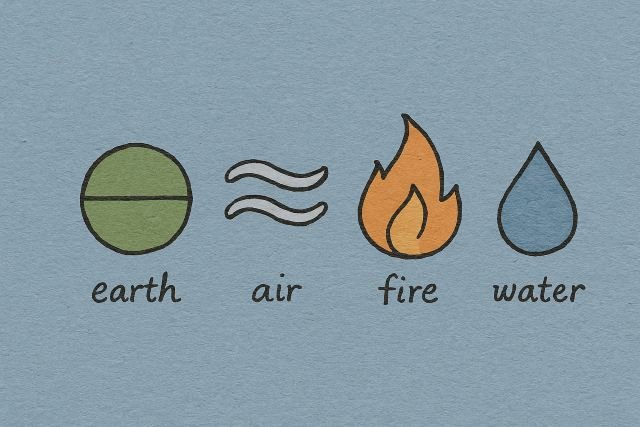
Introduction to the 4 Elements of Life
The essence of life is often distilled into four fundamental elements: Earth, Air, Fire, and Water. These elements have shaped cultures, philosophies, and even our daily experiences for centuries. They represent not just physical entities but also deeper meanings that resonate within us. Have you ever paused to consider how these forces influence your life? Whether it’s the grounding nature of earth beneath your feet or the invigorating rush of fresh air filling your lungs, each element holds a unique significance in both nature and human existence. Join us as we delve into the fascinating world of the 4 elements of life and uncover their roles in shaping our reality!
The Role of Earth in Our Lives
Earth serves as our foundation, both literally and metaphorically. It provides the ground beneath our feet, supporting life in countless ways.
From the food we consume to the materials we use for shelter, Earth is integral to our existence. The soil nourishes crops, sustaining us physically while connecting us with nature’s rhythms.
Furthermore, Earth represents stability and security. Its solid presence offers a sense of grounding amid life’s chaos. Many cultures view it as a nurturing force that fosters growth and resilience.
In spiritual practices, Earth embodies balance and fertility. It reminds us of our roots — both in terms of heritage and ecological awareness. This connection encourages sustainable living choices that honor the planet’s resources.
Through exploring Earth’s role in our lives, we cultivate appreciation for this element that sustains not just humanity but all forms of life on this beautiful planet.
The Significance of Air in Nature and Human Existence
Air is an invisible force, yet it sustains every living creature on this planet. It’s not just the oxygen we breathe; it’s a complex mixture of gases that supports life. Trees and plants play a crucial role, filtering carbon dioxide and releasing oxygen in exchange.
In nature, air influences weather patterns and climate systems. Wind shapes landscapes, carries seeds for new growth, and even provides energy through its movement.
For humans, air represents freedom and possibility. The simple act of breathing deeply can bring clarity to our thoughts or calm anxiety. We often seek open spaces where fresh air invigorates our spirits.
Culturally, many traditions view air as a symbol of communication — an essential element connecting us all. Whether through whispers carried by the breeze or messages sent across vast distances, air binds humanity together in ways we may not always recognize.
Understanding the Power of Fire in Different Cultures and Belief Systems
Fire has long been a symbol of transformation and passion across various cultures. In many ancient civilizations, it represented the divine spark of creation. The Greeks revered fire as a gift from Prometheus, while in Hinduism, Agni is the god of fire, embodying both purification and sacrifice.
In Native American traditions, fire plays a crucial role in rituals and storytelling. It signifies warmth and community but also serves as a reminder of nature’s power.
Different belief systems view fire as both destructive and nurturing. It can evoke fear through its capability to consume everything in its path or inspire awe with its ability to provide light in darkness.
Modern interpretations often see fire as an emblem of motivation — the drive that fuels ambitions and ignites creativity. This duality makes it an essential element influencing not just cultures but individual lives too.
The Essence of Water: Its Importance and Symbolism
Water embodies life. It is essential for survival, nourishing all living beings on our planet. Every cell in our bodies relies on it to function properly. Without water, ecosystems collapse and biodiversity suffers.
Symbolically, water represents purity and renewal. Many cultures celebrate its cleansing properties during rituals. It serves as a metaphor for emotional depth — flowing like feelings that can ebb and flow with life’s tides.
In literature, water often symbolizes transformation and rebirth — a river carrying characters toward new beginnings or challenges. The stillness of a pond invites reflection while the crashing waves of an ocean evoke power and unpredictability.
Additionally, water fosters connection among communities through shared resources like rivers and lakes. Its presence is vital not only for humans but also for wildlife habitats thriving around these precious sources of life.
How the Four Elements Interact and Affect Us
The four elements of life — earth, air, fire, and water — intertwine in a delicate balance that profoundly influences our existence. Each element holds its own energy and characteristics, but together they create a harmonious cycle.
Earth provides stability and nourishment. It grounds us physically and emotionally. When we connect with the earth, we find tranquility amidst chaos.
Air represents freedom and communication. It carries thoughts and ideas across vast distances. The movement of air invigorates us, refreshing our spirits while connecting us to others.
Fire embodies transformation and passion. Its warmth ignites creativity but can also bring destruction if unchecked. The dual nature of fire teaches us about change and rebirth in our lives.
Water symbolizes flow and adaptability. Like emotions, it ebbs and flows through our experiences, reminding us to be flexible as we navigate life’s challenges.
Together, these elements shape our environment, influence relationships, impact well-being — and reflect the intricate tapestry of life itself.
Applying the Wisdom of the Elements in Our Daily Lives
Incorporating the wisdom of the 4 elements of life into daily routines can enhance our well-being. Each element offers valuable lessons that resonate with our experiences.
Earth teaches us grounding. Engage with nature by taking walks or tending to plants. This connection nurtures both body and mind, fostering stability in a chaotic world.
Air represents communication and clarity. Take moments to breathe deeply or practice mindfulness. These practices can elevate your mood and sharpen focus.
Fire ignites passion and transformation. Pursue activities that inspire you, whether it’s art, music, or personal projects. Let the energy of fire drive motivation forward.
Water symbolizes fluidity and adaptability. Embrace change by going with the flow when faced with challenges. Staying flexible helps navigate life’s unpredictable twists smoothly.
By consciously integrating these elements into everyday life, we cultivate a more harmonious existence aligned with nature’s rhythms.
Conclusion
The 4 elements of life — Earth, Air, Fire, and Water — are more than just basic components of our world; they are fundamental forces that shape our existence. Each element plays a distinct role in nature and within ourselves. Earth provides stability and nourishment, while Air fosters communication and connection. Fire ignites passion and transformation across cultures. Water symbolizes healing, flow, and adaptability.
Understanding these elements encourages us to reflect on their significance in our daily lives. By recognizing how they interact with each other and influence human experience, we can cultivate balance within ourselves and the environment around us.
Embracing the wisdom of the 4 elements opens doors to deeper awareness. It invites us to harmonize our surroundings with nature’s rhythms. Whether through mindful practices or simply appreciating the beauty in everyday moments, acknowledging these elemental energies enriches our journey.
As you navigate your path forward, think about how you might integrate the essence of Earth, Air, Fire, and Water into your life for greater fulfillment.