
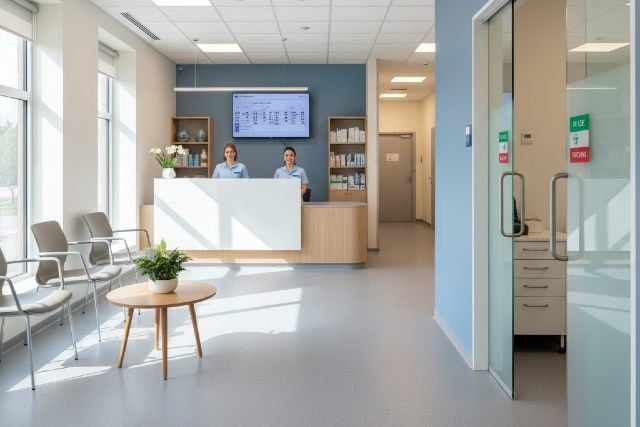
The world of healthcare is evolving rapidly, and so too are the spaces where patients receive care. Medical office design goes far beyond aesthetics; it plays a critical role in enhancing patient experience and improving operational efficiency. Think about it: when you walk into a medical office that feels welcoming and organized, your anxiety diminishes, right?
An effective medical office design can streamline workflows for staff while ensuring comfort for patients. Every square foot counts in these environments, making smart layout choices essential. It’s not just about squeezing more chairs into waiting rooms — it’s about creating an atmosphere that fosters healing.
As we dive deeper into best practices for efficient healthcare spaces, you’ll discover key factors to consider when designing or renovating your medical facility. From maximizing space to integrating cutting-edge technology, let’s explore how thoughtful design can transform the way we deliver care.
The Importance of Efficient Medical Office Design
Efficient medical office design is crucial for both patient satisfaction and staff productivity. A well-designed space can reduce wait times, streamline patient flow, and enhance the overall experience.
When patients feel comfortable in their surroundings, they are more likely to engage openly with healthcare providers. This open communication fosters trust and leads to better health outcomes.
For staff, an efficiently designed workspace minimizes unnecessary movement and confusion. It allows them to focus on what truly matters — providing quality care.
Moreover, effective layouts can accommodate future changes in technology or services without extensive renovations. Flexibility becomes a key feature of modern medical offices.
In today’s competitive healthcare landscape, creating an inviting environment isn’t just beneficial; it’s essential for attracting new patients while retaining existing ones. Efficient design directly impacts not only operational efficiency but also the reputation of the practice itself.
Factors to Consider When Designing a Healthcare Space
Designing a healthcare space requires careful thought. Each element plays a role in patient care and staff efficiency.
Start with the flow of movement. How patients and employees navigate the space impacts overall functionality. Consider separate pathways for patients and staff to minimize congestion.
Next, lighting is crucial. Natural light boosts mood while adjustable artificial lights cater to various activities throughout the day.
Acoustic design matters too. Noise can elevate stress levels, so soundproofing areas like consultation rooms improves privacy and comfort.
Don’t ignore accessibility. Ensure that everyone — including those with disabilities — can easily access all areas without barriers.
Flexibility should be at the forefront of your design strategy. Spaces must adapt to evolving healthcare practices or future technological advancements seamlessly.
Layout and Flow: Creating a Functional Environment
A well-thought-out layout can significantly influence the efficiency of a medical office. It sets the stage for patient experiences and staff interactions.
Consider traffic patterns when designing each area. Patients should flow smoothly from check-in to examination rooms without unnecessary bottlenecks. A clear pathway helps reduce anxiety, allowing for a more pleasant visit.
Zoning is also essential in creating functional spaces. Separate waiting areas, treatment rooms, and administrative offices to maintain privacy while enhancing productivity. This segregation minimizes distractions and fosters a calm atmosphere.
Incorporating flexible design elements can adapt to changing needs over time. Movable partitions or multipurpose rooms offer versatility as your practice evolves.
Remember that accessibility plays a crucial role too. Ensure that all areas comply with ADA standards so everyone can navigate your space comfortably — patients, families, and staff alike benefit from thoughtful design choices that prioritize functionality and ease of movement.
Maximizing Space and Storage
Maximizing space in a medical office is crucial. Efficient use of every square foot can significantly enhance workflow and patient experience.
Consider modular furniture that adapts to various needs. This flexibility allows for changes as the practice evolves. Wall-mounted storage solutions are also beneficial, freeing up valuable floor space while keeping essential items within reach.
Incorporate multi-functional areas where possible. A waiting room can double as an educational space with information displays on health topics or wellness programs.
Don’t overlook vertical storage options. Shelving units that reach towards the ceiling utilize otherwise wasted space and help maintain organization.
Think about decluttering regularly. An organized environment not only looks professional but creates a calming atmosphere for patients and staff alike.
Incorporating Technology into the Design
Incorporating technology into medical office design can significantly enhance patient care and streamline operations. From electronic health records to telemedicine, tech advancements are reshaping healthcare environments.
Consider digital check-in kiosks that reduce wait times. Patients appreciate the convenience of self-service options, allowing staff to focus on more complex needs.
Smart lighting systems also play a crucial role in creating an inviting atmosphere. Adjustable lighting can improve mood and comfort levels for both patients and staff.
Integrating telehealth stations within the office allows for seamless consultations. This flexibility caters to diverse patient preferences while optimizing space usage.
Don’t overlook security features either. Advanced access control systems ensure patient data remains protected, fostering trust in your practice’s commitment to confidentiality.
Blending these technologies with thoughtful design creates a modern sanctuary where efficiency meets compassion.
Comfort and Safety for Patients and Staff
Creating a comforting atmosphere in medical office design is essential. Patients often experience anxiety when visiting healthcare facilities. Thoughtful choices in design can alleviate this stress.
Comfortable seating plays a crucial role. Soft furnishings and inviting waiting areas help patients feel relaxed while they wait for their appointments.
Safety should never be overlooked, either. Clear signage, well-lit spaces, and easy access to exits contribute significantly to patient confidence and staff efficiency.
Incorporating non-slip flooring materials ensures safety for everyone moving through the facility. These practical details make a difference in everyday operations.
Moreover, soundproofing can create an environment where privacy is prioritized, allowing both patients and staff to communicate openly without fear of being overheard.
Design elements like natural light enhance mood too. Large windows or skylights not only brighten the space but also promote overall wellbeing within the office environment.
Green Initiatives in Medical Office Design
Green initiatives in medical office design are becoming increasingly important. These sustainable practices not only enhance the environment but also promote healthier spaces for patients and staff.
Incorporating energy-efficient systems is a key aspect. LED lighting, smart thermostats, and efficient HVAC systems can significantly reduce energy consumption. This leads to lower operational costs while minimizing the carbon footprint of healthcare facilities.
Using eco-friendly materials is another crucial element. Recycled or sustainably sourced building materials contribute to a greener environment. Low-VOC paints improve indoor air quality, ensuring a safe space for everyone who enters.
Natural elements play an essential role too. Integrating biophilic design — like green walls or large windows that invite natural light — creates calming atmospheres that benefit mental well-being and recovery times.
Implementing proper waste management practices helps minimize landfill contributions as well. Educating staff on recycling protocols furthers this initiative within the facility’s culture.
Case Studies: Successful Examples of Efficient Medical Office Designs
One notable example of effective medical office design is the Cleveland Clinic’s Family Health Center. This facility emphasizes patient-centered care with its open layout and natural light. The waiting areas are spacious, promoting a calming atmosphere that reduces anxiety for patients.
Another impressive case is the Stanford University Medical Center. Here, technology seamlessly integrates into the design, enabling efficient workflows and improving communication among staff. The use of modular furniture allows flexibility in treatment rooms to accommodate various specialties.
The Kaiser Permanente San Diego Medical Offices take green initiatives seriously. With solar panels on rooftops and sustainable materials throughout, this space not only serves patients but also respects environmental concerns.
These examples highlight how thoughtful design can impact both patient experience and operational efficiency significantly. Each project showcases unique strategies tailored to meet specific needs within healthcare environments.
Potential Challenges and Solutions
Designing a medical office comes with its share of challenges. One common issue is space constraints, particularly in urban settings. Limited square footage can hinder the functionality of the design.
To tackle this, innovative layouts that prioritize efficiency are crucial. Multi-purpose rooms and flexible furniture can maximize utility without sacrificing comfort.
Another challenge lies in balancing aesthetics with practicality. Striking the right mood while ensuring safety and cleanliness is vital for patient trust.
Incorporating durable materials that are also appealing can bridge this gap effectively.
Staff workflow presents additional hurdles as well. Inefficient pathways may disrupt operations and lead to delays in patient care.
Addressing these concerns through thoughtful planning helps improve overall efficiency and satisfaction for both staff and patients alike.
Conclusion
Effective medical office design is crucial in shaping the healthcare experience for both patients and staff. By prioritizing efficiency, comfort, and safety in your space, you can create an environment that promotes healing and productivity. Thoughtful consideration of layout, technology integration, storage solutions, and sustainable practices lays a strong foundation for a successful medical facility.
Addressing potential challenges with innovative solutions ensures that your design meets the evolving needs of healthcare delivery. The case studies highlighted demonstrate how impactful these designs can be when executed successfully.
Investing time and resources into optimizing your medical office will pay off through improved patient satisfaction and enhanced workflow for staff. As the landscape of healthcare continues to change, staying ahead in medical office design will not only improve operational efficiency but also elevate the overall care experience provided to patients. Embrace these best practices as you embark on designing or renovating your healthcare space; it’s a step toward better health outcomes for everyone involved.