
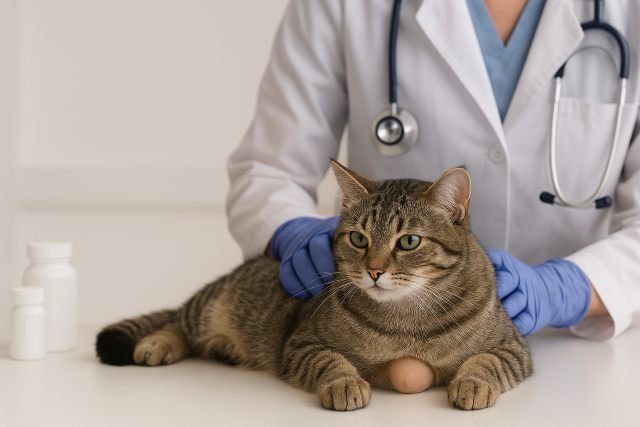
Cats are curious creatures, often finding themselves in the most unexpected situations. While their playful antics can bring laughter and joy, they can also lead to health issues that worry pet owners. One such concern is a hernia, an uncommon but serious condition that requires prompt attention. Understanding how to recognize the signs of a hernia in cats and knowing your treatment options is crucial for keeping your feline friend healthy and happy. In this guide, we’ll explore everything you need to know about hernias in cats — from causes and symptoms to recovery tips that will help them bounce back like the little champions they are. Let’s dive into the world of cat care!
Understanding Hernia in Cats Treatment
Hernia in cats occur when body tissues protrude through an abnormal opening. This condition can affect various areas, including the abdomen and groin. Although some hernias are congenital, others can result from trauma or excessive strain.
Treatment for a hernia typically involves surgery to repair the defect. This is often necessary to prevent complications such as strangulation of organs or tissue necrosis. The surgical approach may vary based on the type and location of the hernia.
Post-surgery, veterinarians might recommend specific care routines to ensure your cat’s recovery goes smoothly. Pain management and restricted activity play significant roles in healing effectively after the procedure.
Being proactive about monitoring your pet’s health is essential. Early detection not only improves treatment outcomes but also enhances overall well-being for your furry companion.
Causes of Hernia in Cats
Hernia in cats can arise from various underlying issues. One common cause is congenital defects, where a kitten is born with an incomplete abdominal wall. This condition may not be noticeable immediately but can lead to complications as the cat grows.
Trauma plays a significant role as well. Accidents or falls can cause internal organs to shift and protrude through weakened tissue.
In older cats, weight gain may contribute to hernias by putting additional strain on their bodies. Obesity can weaken muscles and connective tissues over time.
Certain medical conditions, such as chronic coughing or straining during bowel movements, might also increase pressure within the abdomen and trigger a hernia formation. Each of these factors presents unique risks that pet owners should watch for closely in their feline friends.
Symptoms of a Hernia in Cats
Hernia in cats can manifest through a variety of noticeable symptoms. One common sign is a visible bulge or swelling, often around the abdomen or groin area. This may become more pronounced when your cat exerts itself.
You might also observe changes in your cat’s behavior. Lethargy and decreased appetite are frequent indicators that something isn’t right. If your feline friend seems less playful or reluctant to move, it warrants attention.
Vomiting and difficulty defecating can occur as well, particularly if the hernia affects internal organs. Pay close attention to any signs of pain; vocalizations during movement could suggest discomfort related to the condition.
If you notice these symptoms, prompt veterinary evaluation is crucial for appropriate care and treatment options. Early intervention makes all the difference in ensuring your cat’s health and recovery.
Diagnosis and Treatment Options
Diagnosing a hernia in cats typically begins with a thorough physical examination by a veterinarian. The vet will assess any unusual bulges or swelling, often focusing on the abdomen and groin areas. Additional imaging, such as X-rays or ultrasounds, may be necessary to confirm the diagnosis.
Once diagnosed, treatment options vary based on the severity of the hernia. Surgical intervention is commonly required to repair most types of hernias effectively. This procedure involves repositioning the internal organs back into place and closing the opening in the muscle wall.
In some cases, if surgery isn’t immediately necessary due to mild symptoms, your vet might recommend monitoring your cat closely. Pain management and anti-inflammatory medications could also play a role in ensuring comfort before surgery becomes an option. Always follow your veterinarian’s recommendations for optimal care during this process.
Recovery Tips for Cats with a Hernia
Recovery after hernia surgery is vital for your cat’s well-being. Create a quiet space for them to rest. This helps minimize stress during their healing process.
Limit their movement for the first few days. Use a comfortable crate or small room to keep them calm and prevent jumping around.
Monitor the surgical site regularly. Look out for swelling, redness, or discharge that might indicate an infection. Contact your veterinarian if you notice anything unusual.
Follow any dietary recommendations from your vet. Soft food can be easier on their stomachs as they recover.
Maintain hydration by ensuring fresh water is always available. Encourage light play when your cat starts feeling better; gentle interactions can boost their spirits without risking injury.
Stick to follow-up appointments with your vet to ensure they’re healing properly and address any concerns along the way.
Preventing Hernias in Cats
Preventing hernias in cats starts with understanding their environment. A safe and secure home reduces the risk of injuries that can lead to hernias.
Regular veterinary check-ups are essential. These visits allow for early detection of potential health issues, including congenital conditions that might predispose your cat to hernias.
Keeping your cat at a healthy weight is crucial. Obesity puts extra strain on abdominal tissues, increasing the likelihood of development or worsening of hernias.
Provide plenty of exercise opportunities as well. Engaging toys and interactive playtime strengthen muscles, supporting the abdomen and reducing risk factors linked to hernias.
Be cautious during any activities that could result in trauma. Supervise your cat around sharp objects or rough surfaces where injury may occur.
Spaying or neutering can help prevent certain types of hernias associated with reproductive organs. Taking these steps can contribute significantly to keeping your feline friend safe from this condition.
Conclusion
Hernias in cats can be concerning for pet owners. Understanding the causes, symptoms, and treatment options is crucial for ensuring your feline friend’s well-being. Regular veterinary check-ups become even more important when it comes to early detection and intervention.
Taking proactive steps to prevent hernias can contribute significantly to your cat’s health. With proper care, attention, and a little knowledge on your side, you can help protect your furry companion from the complications that come with this condition. Always stay informed about their needs and consult with a veterinarian at any sign of distress or unusual behavior.
Your love and vigilance play an essential role in maintaining their quality of life. Keep learning about how best to support them through challenges like these — because every small effort counts when it comes to their health and happiness.