
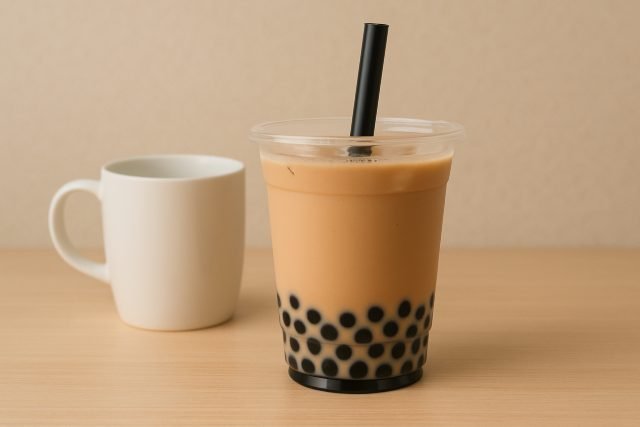
Introduction to Boba Milk Tea
Boba milk tea, also known as bubble tea, has taken the world by storm. Its charming combination of chewy tapioca pearls and creamy goodness makes it a favorite among drink enthusiasts. But as you sip on this delightful treat, have you ever wondered about its caffeine content? With so many variations available — from classic milk teas to fruity blends — understanding what’s really in your cup can be quite the adventure.
In today’s health-conscious world, knowing how much caffeine you’re consuming is more important than ever. So let’s dive into the intriguing world of boba milk tea! We’ll explore everything from what gives it that signature kick to debunking myths surrounding its ingredients. Whether you’re a seasoned fan or just curious about this trendy beverage, there’s plenty to uncover.
Understanding Caffeine and its Effects on the Body
Caffeine is a natural stimulant found in various plants. It’s most commonly associated with coffee and tea, but its presence extends to many beverages.
When consumed, caffeine quickly enters the bloodstream. This action stimulates the central nervous system, leading to increased alertness and reduced fatigue. Many people rely on it for that morning pick-me-up or an afternoon boost.
However, caffeine affects everyone differently. Factors like individual tolerance and metabolism play significant roles in how one experiences its effects. For some, it enhances focus; for others, it might trigger jitters or anxiety.
Additionally, caffeine can influence sleep patterns if consumed too late in the day. Understanding your body’s reaction helps manage consumption effectively without sacrificing well-being.
Does Boba Milk Tea Contain Caffeine?
Boba milk tea, also known as bubble tea, often sparks curiosity about its caffeine content. The answer largely depends on the type of base used in your drink.
Most traditional boba milk teas are made with black or green tea. Both of these teas contain caffeine, albeit at varying levels. A typical serving can have anywhere from 30 to 70 milligrams per cup.
If you opt for fruit-based or herbal versions, those usually lack caffeine. It’s essential to check the specific ingredients when ordering.
For those sensitive to caffeine but still craving that chewy goodness, there are options available. Many shops offer decaffeinated alternatives or even caffeine-free bases like coconut milk or almond milk mixed with tapioca pearls.
So next time you’re sipping on a refreshing cup of boba milk tea, keep in mind what kind you’ve chosen and how it might affect your energy levels.
Debunking Common Myths About Boba Milk Tea and Caffeine
Many people believe that all boba milk tea varieties are loaded with caffeine. This isn’t the case. The actual caffeine content varies significantly based on the type of tea used.
For instance, if your drink features black tea, you’ll typically find higher levels of caffeine compared to those made with herbal or fruit teas. It’s essential to know what base is used in your favorite boba milk tea.
Another misconception is that all bubble teas will keep you up at night. While some may contain enough caffeine to give you a little boost, many options have much less than a cup of coffee.
Some folks think that adding toppings like tapioca pearls increases the caffeine level. In reality, these chewy balls add no additional caffeine; they simply enhance texture and flavor without affecting stimulation levels.
Health Benefits and Risks of Boba Milk Tea
Boba milk tea, often a delightful treat, brings more than just flavor. It can offer some health benefits, particularly if made with quality ingredients. The tea itself is rich in antioxidants, which may help combat free radicals in the body.
However, moderation is key. Many boba drinks are high in sugar and calories. Consuming them regularly could contribute to weight gain or other health issues.
The tapioca pearls add texture but lack substantial nutrients. While they can be fun to chew on, they provide little nutritional value.
For those who enjoy their boba fix without added sugars, opting for less syrupy versions can make a difference. Additionally, choosing healthier bases like almond or oat milk instead of regular milk might enhance the drink’s nutritional profile.
Stay mindful of portion sizes to truly relish the experience without overindulging in potential risks associated with excessive consumption.
Alternatives for Those Sensitive to Caffeine
If you’re sensitive to caffeine, enjoying the delightful world of boba milk tea doesn’t have to be off-limits. There are several flavorful alternatives that can still satisfy your cravings.
One option is herbal teas. They come in a range of flavors and typically contain no caffeine at all. You might enjoy chamomile, hibiscus, or peppermint as refreshing bases for your bubble drink.
Another great choice is decaffeinated tea. It retains many of the flavors you love without the jittery effects associated with caffeine.
For a creamy twist, consider using plant-based milks like almond or oat milk blended with fruit purees instead of traditional tea bases. This creates a deliciously smooth texture while keeping things caffeine-free.
Experiment with fruit-infused waters or smoothies as unique substitutes for classic boba drinks; these options offer hydration and flavor without any stimulating side effects.
Conclusion: Enjoying Boba Milk Tea in Moderation
Boba milk tea is a delightful treat that has captured the hearts of many. With its chewy tapioca pearls and luscious flavors, it’s no wonder people love indulging in this refreshing beverage. When it comes to caffeine content, understanding how much is in your drink can help you enjoy it without worry.
Moderation is key when sipping on boba milk tea. If you’re sensitive to caffeine or simply prefer to limit your intake, there are plenty of options available — like herbal teas or fruit-based drinks — that can still satisfy your cravings without the jitters.
So go ahead and savor your next cup of boba milk tea! Whether you choose one with caffeine or decide on a caffeine-free alternative, remember that balance is essential for enjoyment and health.