
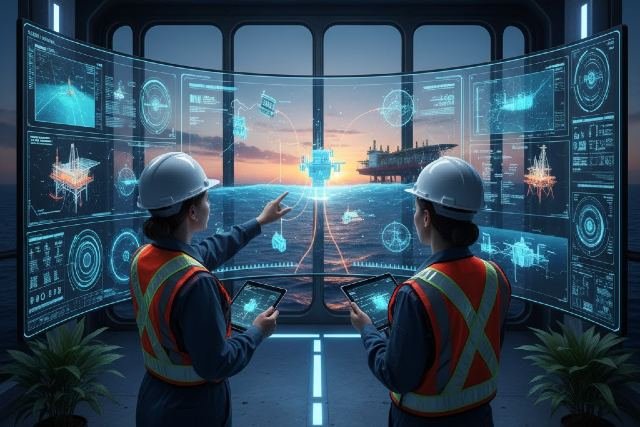
Introduction to Deep Offshore Technology
The ocean, vast and mysterious, holds untold resources that are crucial for our future. As we delve deeper into its depths, the challenge of harnessing these resources becomes increasingly complex. Enter deep offshore technology — a field that’s revolutionizing how we explore and utilize the underwater world. From advanced drilling techniques to innovative subsea robotics, this cutting-edge technology is pushing the boundaries of ocean engineering like never before.
Imagine a world where sustainable energy solutions meet high-tech automation in some of the most challenging environments on Earth. That’s not just a dream; it’s happening right now as engineers and scientists work tirelessly to develop breakthroughs that will shape our relationship with the seas. Join us on an exploration of deep offshore technology and discover how it’s paving the way for a new era in ocean engineering!
Evolution of Ocean Engineering: From Shallow Water to Deep Offshore
Ocean engineering has undergone a remarkable transformation over the years. Initially, efforts focused primarily on shallow waters, where conventional techniques sufficed for exploration and resource extraction. Early pioneers utilized basic technologies to harness coastal resources.
As demand grew, so did the need for innovation. The shift towards deep offshore environments marked a significant leap in engineering practices. Engineers faced unique challenges posed by greater depths and harsher conditions.
Advancements in materials science facilitated the development of stronger structures capable of withstanding extreme pressures. Simultaneously, enhanced navigation systems allowed for precise positioning far from shore.
The move into deeper waters opened up new frontiers for oil and gas exploration. This evolution also paved the way for sustainable energy initiatives like offshore wind farms, demonstrating how ocean engineering adapts to meet global needs while pushing boundaries further than ever before.
Key Innovations in Deep Offshore Technology
Deep offshore technology is at the forefront of innovation, transforming how we explore and utilize ocean resources. One significant advancement is the development of advanced drilling techniques. These methods enhance precision while minimizing environmental impact.
Another key area of innovation involves floating production systems. These platforms, capable of operating in extreme conditions, allow for efficient extraction and processing far from shore. They are equipped with cutting-edge materials that withstand harsh marine environments.
Additionally, real-time data analytics has revolutionized decision-making processes in deep-water exploration. Sensors deployed on rigs collect vast amounts of data, enabling operators to make informed choices quickly.
The integration of artificial intelligence enhances predictive maintenance as well. By analyzing patterns and potential failures before they occur, AI optimizes operations and reduces downtime significantly.
Together, these innovations are reshaping the landscape of ocean engineering and expanding our capabilities beneath the waves.
Advancements in Subsea Robotics and Automation
Recent advancements in subsea robotics are reshaping the landscape of ocean engineering. These innovations enhance our ability to explore and operate in deep offshore environments.
Robotic vehicles, such as remotely operated vehicles (ROVs) and autonomous underwater vehicles (AUVs), are now equipped with advanced sensors. They can collect valuable data from extreme depths while minimizing human risk.
Automation plays a crucial role too. Autonomous systems enable real-time monitoring and decision-making, significantly improving operational efficiency. With AI integration, these robots learn from their environment, adapting to complex challenges seamlessly.
The development of manipulators allows robots to perform intricate tasks like maintenance or repairs on submerged structures. This reduces the need for divers and enhances safety during operations.
These technological strides not only boost productivity but also lower costs associated with deep-sea exploration and resource extraction. The future looks bright as we harness these tools for deeper ventures into the ocean’s mysteries.
Sustainable Energy Solutions for Deep Offshore Operations
As the demand for energy grows, deep offshore technology is evolving to meet sustainability goals. Innovative solutions are emerging that harness renewable resources in challenging environments.
Wind and solar power systems are being adapted for offshore use. Floating wind farms can now capture energy from gusty ocean winds, while floating solar panels exploit sunlight on expansive water surfaces.
Hydrokinetic turbines represent another breakthrough. These devices convert ocean currents into electricity. Installed at strategic locations, they provide a consistent energy source without harming marine ecosystems.
Energy storage technologies are also advancing rapidly. They ensure that captured energy remains available when conditions are less favorable, addressing one of the key challenges of relying on intermittent sources.
By integrating these sustainable practices into deep offshore operations, the industry moves toward reducing its carbon footprint while enhancing efficiency and reliability in energy production.
Challenges and Solutions in Implementing Deep Offshore Technology
Implementing deep offshore technology presents several challenges that require innovative solutions. One major hurdle is the extreme environmental conditions. High pressures, turbulent waters, and unpredictable weather can hinder operations and damage equipment.
To address these issues, engineers are developing robust materials and designs to withstand harsh environments. Advanced simulation tools help in predicting potential failures before they occur.
Another challenge lies in the high costs associated with deep offshore projects. Investment risks deter many companies from exploring this frontier. Collaborative partnerships between governments and private sectors are emerging as a viable solution, sharing both financial burdens and technological expertise.
Furthermore, the skilled labor shortage poses a significant obstacle for effective implementation of advanced technologies. Companies are investing heavily in training programs to cultivate a new generation of ocean engineers who can navigate this complex field with confidence.
Conclusion: The Promising Future of Ocean Engineering with Deep Offshore Technology
The future of ocean engineering is undeniably intertwined with advancements in deep offshore technology. As industries continue to explore the vast resources hidden beneath the surface, innovations pave the way for safer, more efficient operations.
With a strong focus on sustainability and automation, we can expect significant leaps forward in how we harness marine environments responsibly. The integration of cutting-edge robotics and renewable energy solutions will not only enhance productivity but also minimize environmental impact.
Challenges remain, yet each hurdle faced inspires creative problem-solving that drives progress further into uncharted territories. This relentless pursuit of knowledge will allow engineers to unlock new possibilities while safeguarding our oceans.
As we stand at this exciting juncture, it’s clear that deep offshore technology holds immense promise for shaping the next era of ocean exploration and utilization. Embracing these innovations will lead us toward a brighter future where industry and nature coexist harmoniously.