
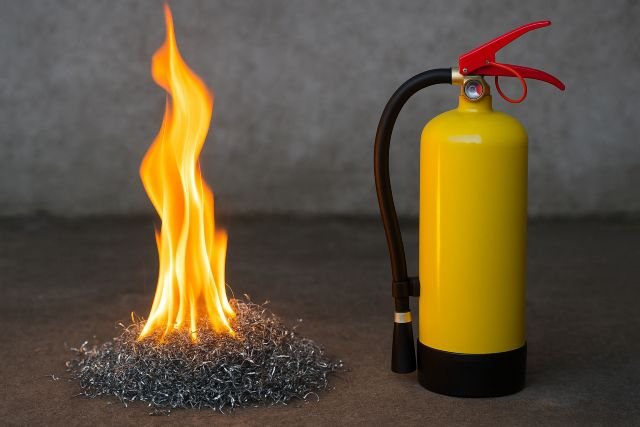
Introduction to Class D Fire
When it comes to fire safety, most people are familiar with the terms Class A, B, and C fires. But what about Class D? These fires may not be as well-known, yet they pose unique hazards that require specialized knowledge for safe handling. Understanding Class D fires is crucial for anyone working in environments where combustible metals are present. Imagine a scenario where magnesium or titanium ignites — do you know how to respond effectively? In this article, we’ll delve into the causes of Class D fires, provide real-world examples, and equip you with strategies for extinguishing them safely. Let’s uncover the vital information you need to stay prepared and protected!
What Causes a Class D Fire?
Class D fires are primarily fueled by combustible metals. These include magnesium, titanium, aluminum, sodium, and potassium. Unlike ordinary materials, these metals ignite at much higher temperatures.
When exposed to air or moisture, they can react violently. This reaction often generates intense heat and flames that are challenging to control. In industrial settings where these metals are processed or stored, the risk increases significantly.
The presence of fine metal shavings or dust can also contribute to a Class D fire hazard. When suspended in the air, even small particles can ignite with tremendous force if an ignition source is present.
Moreover, improper handling or inadequate storage practices exacerbate the risks associated with Class D fires. Awareness of these causes is crucial for maintaining safety in environments where combustible metals are common.
Examples of Class D Fires
Class D fires primarily involve combustible metals. These materials burn at extremely high temperatures and require specific handling techniques.
One common example is magnesium, often used in aerospace components. When it ignites, it can produce intense flames that are hard to control.
Sodium is another hazardous metal found in various industrial applications. Its reaction with water creates explosive results, making it particularly dangerous in firefighting scenarios.
Titanium also falls under this category. Although it’s lightweight and strong, when burned, titanium reacts violently with oxygen.
These examples highlight the unique challenges faced when dealing with Class D fires. Understanding these materials helps ensure proper safety measures are taken during potential incidents.
How to Extinguish a Class D Fire Safely
Extinguishing a Class D fire requires specialized techniques due to the unique nature of combustible metals involved. First, ensure you have the right type of extinguishing agent on hand. Common materials include sodium chloride or copper powder.
Approach the fire cautiously. If possible, turn off any nearby equipment that may contribute to fuel sources. Stand at a safe distance while using the extinguisher.
When applying the agent, aim for the base of the flames and use a sweeping motion to cover as much surface area as needed. Never douse with water; this can cause explosive reactions.
Always wear appropriate personal protective equipment. This includes gloves and goggles designed for high-temperature environments.
If you cannot control it quickly, evacuate immediately and call emergency services. Stay at a safe distance until professionals arrive to manage the situation effectively.
Safety Precautions to Take When Dealing with Class D Fires
When dealing with Class D fires, safety is paramount. Always wear appropriate personal protective equipment (PPE), including flame-resistant clothing and goggles. This helps shield you from potential burns or harmful particles.
Ensure that a fire extinguisher designed for metal fires is readily available in the area. Class D extinguishers contain specific agents that can effectively smother such flames.
Do not attempt to use water on these fires. Water can react violently with combustible metals, leading to explosive situations.
Maintain a safe distance from the fire site while alerting emergency services. Keeping yourself away minimizes the risk of injury.
Establish an evacuation plan for everyone present. Being prepared ensures swift action if the situation escalates beyond control.
Training and Equipment for Handling Class D Fires
Proper training is crucial when it comes to handling Class D fires. Workers must understand the unique properties of combustible metals and the specific risks involved. Regular drills can prepare teams for emergency scenarios.
Using the right equipment is equally important. Specialized fire extinguishers, such as those containing dry powder agents like sodium chloride or graphite, are essential in effectively suppressing these types of fires.
Additionally, personal protective equipment (PPE) should not be overlooked. Fire-resistant clothing, gloves, and face shields provide necessary protection against intense heat and sparks.
Regular maintenance checks on both training protocols and firefighting gear ensure readiness at all times. Familiarity with tools and techniques allows responders to act decisively during an emergency situation involving a Class D fire.
Conclusion
When it comes to understanding Class D fires, awareness is key. These fires can pose unique challenges and risks due to the combustible metals involved. Knowing what causes these fires, recognizing examples of materials that ignite easily, and being equipped with the right tools for extinguishing them can save lives and property.
Safety precautions are essential when dealing with Class D fires. Proper training ensures individuals know how to respond effectively without putting themselves or others at risk. Investing in specialized equipment designed for these types of fires is just as important; using water or standard fire extinguishers could worsen the situation.
By staying informed about Class D fire hazards and adhering strictly to safety protocols, you create a safer environment in both residential and industrial settings. Understanding these complex elements empowers everyone to act decisively should a Class D fire occur. Awareness leads not just to prevention but also preparedness — crucial factors in handling emergencies safely.