
As a devoted dog owner, your furry friend’s health is always top of mind. But what happens when they start showing signs of discomfort or unusual movements? One condition that can affect their well-being is carpal valgus. This orthopedic issue may sound alarming, but understanding it can make all the difference in ensuring your pup remains happy and active.
In this post, we’ll dive into what carpal valgus means for dogs, its causes, symptoms to watch for, and effective treatment options available. Whether you’re noticing slight changes in your dog’s gait or simply want to be informed about potential issues down the road, we’ve got you covered. Let’s unravel everything you need to know about caring for a dog with carpal valgus!
Understanding Carpal Valgus in Dogs
Carpal valgus is a condition that affects the front legs of dogs, causing an abnormal angulation at the wrist joint. This misalignment means that the dog’s forelimbs may appear to bow outward, which can lead to noticeable changes in their stance and movement.
Typically found in puppies or young dogs, carpal valgus often arises during growth phases. The severity can vary from mild cases with minimal impact on mobility to more pronounced deformities that hinder daily activities.
Certain breeds are predisposed due to genetic factors, while environmental influences like nutrition and exercise also play a role. Understanding this condition is crucial for timely intervention and ensuring your dog remains comfortable as they grow. Recognizing carpal valgus early enhances treatment success and promotes overall well-being for your furry companion.
Causes of Carpal Valgus
Carpal valgus in dogs often stems from genetic predisposition. Certain breeds are more susceptible due to inherited traits. This makes it crucial for new pet owners to be aware of their dog’s lineage.
Injury can also play a significant role. Trauma to the wrist during growth phases may lead to improper bone alignment, contributing to carpal valgus development.
Nutritional deficiencies shouldn’t be overlooked either. An imbalanced diet lacking essential vitamins and minerals can hinder proper skeletal growth, increasing the risk of deformities.
Environmental factors might influence this condition as well. Excessive weight or lack of exercise can place undue stress on developing joints, possibly leading to misalignment over time.
Conditions like osteochondritis dissecans can exacerbate joint issues by affecting cartilage health, further complicating the situation for affected dogs.
Common Symptoms to Look Out For
When it comes to carpal valgus in dogs, being vigilant about symptoms can make a significant difference. One of the first signs you might notice is an unusual gait. Your dog may appear to be walking awkwardly or favoring one side.
Swelling around the wrist area is another common symptom. If you see any puffiness, it’s worth investigating further.
Watch for signs of discomfort as well. Dogs experiencing pain may exhibit reluctance to run or jump, and they might even whimper when putting weight on their affected leg.
Lameness can develop over time as the condition worsens. If your dog’s mobility seems restricted, it could indicate underlying issues related to carpal valgus.
Keep an eye out for changes in behavior like increased irritability or withdrawal from playtime activities; these can signal that something isn’t right with your furry friend’s health.
How to Diagnose Carpal Valgus
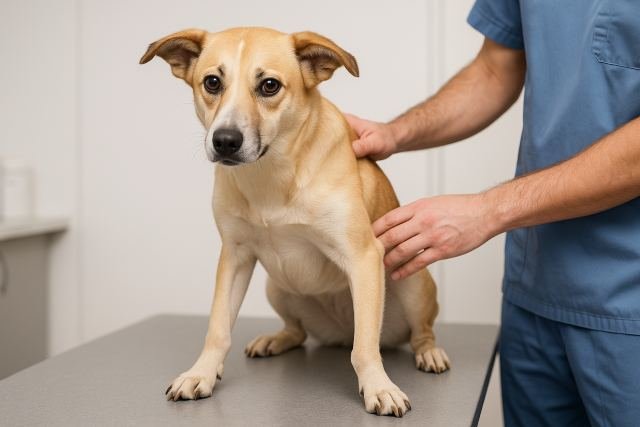
Diagnosing carpal valgus in dogs involves a thorough examination by a veterinarian. The first step usually includes a physical assessment of the dog’s front legs and paws.
Vets often look for any obvious deformities or misalignments. They check how your dog walks and stands, noting any signs of discomfort or abnormal gait patterns.
Radiographs, or X-rays, play a crucial role in the diagnosis process. These images help visualize bone structure and alignment issues that might not be visible externally.
Additionally, your vet may inquire about your dog’s medical history and any previous injuries that could contribute to the condition. Observing these details can help pinpoint if surgery or other interventions are necessary.
Early detection is key to managing this issue effectively, so don’t hesitate to reach out to your vet if you notice anything unusual with your furry friend’s movement.
Treatment Options for Carpal Valgus in Dogs
Treatment for carpal valgus in dogs varies based on severity and age. Early intervention can make a significant difference.
For mild cases, conservative management often includes physical therapy. Targeted exercises can help strengthen the muscles around the wrist joint. Regular sessions may improve mobility and reduce discomfort.
In moderate to severe instances, your veterinarian might suggest splinting or bracing. These devices support the affected area and promote proper alignment during healing.
Surgical options are available for persistent cases that do not respond to other treatments. Procedures may involve realigning bones or soft tissue repair to correct deformities.
Pain management is essential throughout treatment. Non-steroidal anti-inflammatory drugs (NSAIDs) can alleviate pain and swelling, ensuring your dog remains comfortable as it heals.
Close monitoring is important post-treatment to ensure successful recovery and prevent recurrence of issues related to carpal valgus.
Prevention Tips for Dog Owners
Preventing carpal valgus in dogs starts with proper nutrition. A balanced diet rich in essential nutrients supports healthy bone and joint development. Consult your veterinarian to ensure you’re meeting your dog’s specific dietary needs.
Regular exercise is crucial, but it should be appropriate for your dog’s age and breed. Engaging in low-impact activities can strengthen muscles without putting undue stress on the joints.
Monitoring their growth is vital, especially for large-breed puppies. Rapid growth can lead to developmental issues, including carpal valgus. Regular vet check-ups will help catch any concerns early.
Avoid excessive jumping or rough play that could strain their limbs. Providing a safe environment reduces the risk of injuries that may contribute to this condition. Remember, proactive measures today pave the way for healthier joints tomorrow.
Importance of Early Detection and Treatment
Early detection of carpal valgus in dogs is crucial for effective treatment. The sooner the condition is identified, the better the chances for successful management and recovery.
When symptoms are noticed early, intervention can often be less invasive. This could mean avoiding more serious surgical procedures down the line. Timely action allows pet owners to explore various options tailored to their dog’s specific needs.
Monitoring your dog’s mobility and behavior helps catch issues before they escalate. Regular check-ups with a veterinarian can also aid in identifying any unusual signs or changes in posture.
Proactive care not only improves outcomes but also enhances your dog’s quality of life. Addressing problems early ensures that your furry friend remains active and comfortable for years to come.
Conclusion
Carpal valgus in dogs can lead to significant discomfort and mobility issues if left untreated. Understanding its causes, recognizing the symptoms, and knowing how to diagnose this condition are crucial steps for dog owners. Effective treatment options exist that range from conservative management to surgical interventions, depending on the severity of the case.
Prevention is always better than cure. By maintaining a healthy weight for your dog and providing proper nutrition, you can help minimize risks associated with musculoskeletal disorders like carpal valgus. Regular vet check-ups also play an essential role in early detection.
Being proactive about your dog’s health ensures they live a happy and active life. Keeping an eye out for any signs of distress or changes in behavior will benefit both you and your furry friend tremendously. If you suspect your dog may be suffering from carpal valgus, don’t hesitate to consult a veterinarian for guidance and support that caters specifically to their needs.