
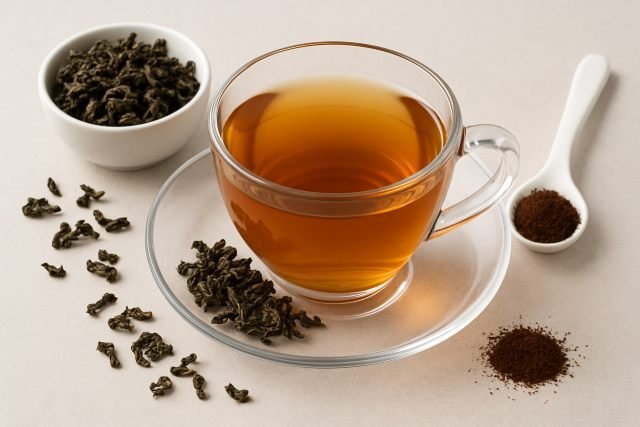
Are you searching for a delicious way to boost your energy and enhance your focus? Look no further than oolong tea, the delightful middle ground between green and black tea. With its rich flavor profile and numerous health benefits, this traditional Chinese beverage has captured the hearts of many wellness enthusiasts. But what truly sets oolong tea apart is its caffeine content. Understanding how caffeine in oolong tea affects our bodies can help us make informed choices about our daily brew. So grab your favorite mug and let’s dive into the fascinating world of oolong tea!
What is Caffeine in Oolong Tea?
Caffeine is a natural stimulant found in various plants, including the tea plant. Oolong tea, which falls between green and black tea in terms of oxidation, contains caffeine that can perk you up when you need it most.
This unique type of tea has a diverse flavor profile, ranging from floral to nutty. The caffeine content varies based on factors like processing methods and steeping time.
Typically, oolong offers about 30-50 milligrams of caffeine per cup. This amount provides just enough boost without the jitters often associated with higher-caffeine drinks like coffee.
In addition to energy enhancement, caffeine in oolong contributes to its complex taste experience. It balances well with other compounds present in the leaves, making each sip both refreshing and invigorating. Understanding this balance enriches your appreciation for this ancient beverage.
The Caffeine Content in Oolong Tea
Oolong tea is known for its unique flavor profile and rich history. When it comes to caffeine content, it sits between green and black teas. On average, an 8-ounce cup contains about 30-50 milligrams of caffeine.
This amount varies based on several factors such as the specific variety of oolong used and brewing time. Therefore, you might find lighter brews with less caffeine or stronger ones that push the limits.
The moderate levels of caffeine in oolong can provide a gentle energy boost without the jitters often associated with coffee. This makes it a popular choice among those looking for alertness combined with a calming experience.
For many tea enthusiasts, understanding how much caffeine is present helps them manage their intake effectively while enjoying the delightful nuances of this traditional beverage.
How Does Caffeine Affect the Body?
Caffeine interacts with the central nervous system, acting as a stimulant. It blocks adenosine receptors, which helps reduce the feeling of fatigue. This can lead to increased alertness and improved focus.
When consumed, caffeine is rapidly absorbed into the bloodstream. Its effects usually kick in within 15 minutes and can last for several hours. This makes it a popular choice for boosting energy during long workdays or study sessions.
Additionally, caffeine can enhance physical performance by mobilizing fatty acids from fat tissues. Athletes often rely on its invigorating properties to gain an edge in endurance activities.
However, moderation is key. Too much caffeine may result in jitters or anxiety for some individuals. Understanding your body’s reaction to this compound plays a significant role in reaping its benefits while minimizing any negative side effects.
Benefits of Caffeine in Oolong Tea
Caffeine in oolong tea offers several intriguing benefits that can enhance your daily routine. It provides a gentle energy boost, perfect for those mid-afternoon slumps. Instead of the jitters associated with coffee, oolong tea delivers a smoother lift.
This balance helps improve focus and mental clarity. Many drinkers report heightened alertness without the uncomfortable spikes and crashes often linked to other caffeinated beverages.
Additionally, caffeine in oolong may support metabolism. It can aid in fat oxidation, which is beneficial for weight management efforts when combined with a healthy lifestyle.
The antioxidants present in oolong also work alongside caffeine to promote overall well-being. They could help reduce inflammation and protect against chronic diseases.
Incorporating this delightful beverage into your routine not only enhances energy levels but also contributes positively to long-term health objectives.
Potential Risks and Side Effects
While caffeine in oolong tea offers several benefits, it’s essential to be aware of potential risks and side effects.
Excessive consumption can lead to jitteriness, anxiety, or restlessness. People sensitive to caffeine might feel these effects even with a small amount.
Heart palpitations are another concern for some individuals. If you notice your heart racing after enjoying a cup, it may be time to cut back.
Sleep disturbances can also arise from late afternoon or evening consumption. Caffeine has a half-life of about five hours, meaning its stimulating effects could linger longer than expected.
Those with certain health conditions should consult their healthcare provider before indulging in caffeinated teas like oolong. It’s always wise to balance enjoyment with mindfulness regarding personal tolerance levels and overall health needs.
Tips for Consuming Oolong Tea for Optimal Health Effects
To maximize the health benefits of oolong tea, start with high-quality leaves. Look for organic options that are free from pesticides and additives.
Brewing time matters. Aim for three to five minutes at a temperature between 190°F and 200°F. This balance extracts the right amount of caffeine while preserving antioxidants.
Enjoy your tea without sweeteners or milk to reap its full benefits. If you prefer a touch of flavor, consider adding lemon or ginger.
Timing is also key; consuming oolong in the morning can enhance alertness throughout your day. For those sensitive to caffeine, limit intake in the afternoon or evening.
It’s essential to stay hydrated, so pair your tea consumption with plenty of water. This will help maintain energy levels without causing dehydration effects often associated with caffeinated beverages.
Conclusion
Caffeine in Oolong Tea plays a significant role in enhancing energy levels and focus while also contributing to overall health. This unique tea, with its moderate caffeine content, offers a balanced boost without the jitters often associated with more potent sources of caffeine.
When consumed mindfully, Oolong tea can be an excellent addition to your daily routine. Its ability to improve mental clarity and support metabolism makes it a popular choice for those looking for both cognitive benefits and physical wellness.
As you explore the world of Oolong tea, remember that moderation is key. Enjoying this delightful beverage can lead to numerous health advantages when paired with a well-rounded lifestyle. Embrace the calming ritual of brewing your cup, savor the flavors, and benefit from what nature has provided through this remarkable brew.