
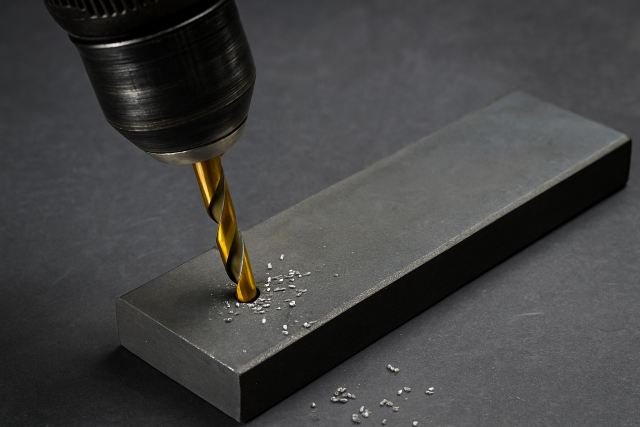
Finding the Best Drill Bit for Hardened Steel is critical when working with tough metals like tool steel, stainless steel, or high-carbon alloys. Hardened steel is engineered for strength and durability, which makes it extremely difficult to cut without the right tool. Using the wrong bit will cause overheating, dull edges, broken drills, and potentially damaged workpieces. In this ultimate guide, we break down the top drill bit materials, coatings, drilling techniques, and expert tips used by fabricators, machinists, and metalworkers.
Whether you’re drilling automotive parts, steel plate, knives, safes, bolts, or industrial components, this comprehensive resource will help you choose the right bit and drill hardened steel with confidence.
What Makes Hardened Steel Difficult to Drill?
Hardened steel undergoes a heat-treating process that increases hardness and tensile strength. This makes the material extremely resistant to abrasion and cutting.
Primary Challenges
- High Heat Generation: Hard metals cause friction that overheats drill bits quickly.
- High Abrasion: Standard steel or HSS bits dull almost instantly.
- Low Material Penetration: Hardened steel resists indentation, requiring extreme cutting strength.
- Requires Slow Speed + High Pressure: The wrong RPM ruins bits quickly.
According to the ASM (American Society for Metals), hardened steels often have a hardness of 45–65 HRC, requiring drill bits designed for extreme durability and heat resistance.
What Is the Best Drill Bit for Hardened Steel?
To drill hardened steel successfully, you need bits made from cobalt, carbide, or titanium-coated variations designed for metal drilling. Not all drill bits are created equal, and only a few categories can withstand the hardness of treated steel.
Below is a detailed breakdown of the top-performing bit types.
1. Cobalt Drill Bits (M35 & M42) — Best All-Around Choice
Cobalt bits (M35 = 5% cobalt, M42 = 8% cobalt) are the most popular option for drilling hardened steel.
Why Cobalt Bits Are Excellent
- High heat resistance
- Naturally harder than HSS
- Self-sharpening properties
- Affordable for professionals and DIY users
Best Use-Cases
- Hardened steel
- Stainless steel
- Cast iron
- Alloy steel
- Spring steel
M42 cobalt bits are ideal for extreme hardness like tool steel (over 55 HRC).
2. Carbide Drill Bits — Best for Extreme Hardness
Solid carbide bits are the strongest drill bits available for consumer and industrial use.
Benefits
- Cuts through the hardest metals
- Exceptionally wear-resistant
- Stays sharp the longest
Downsides
- Very brittle — can snap from side pressure
- More expensive than cobalt
- Requires a drill press for optimal performance
Best Use-Cases
- Hardened tool steel
- Bearing steel
- High-carbon steel
- Heat-treated bolts
- Forged steel components
Carbide is often used in machine shops and industrial fabrication.
3. Titanium-Coated Bits — Best for Light Hardened-Steel Tasks
Titanium nitride (TiN) coating improves hardness and heat resistance.
Pros
- Cost-effective
- Suitable for beginners
- Reduces friction
Cons
- Coating wears off over time
- Not ideal for high-HRC steel
- Much weaker than cobalt or carbide
Best for light to moderate hardened metals only.
4. Black Oxide Bits — Budget Option
Black oxide bits are enhanced versions of HSS.
- Good for soft or mild steel
- Not recommended for hardened steel
- Overheat quickly under pressure
Comparison Table: Best Drill Bit Materials for Hardened Steel
| Drill Bit Type | Hardness | Best For | Cost | Ideal For Hardened Steel? |
|---|---|---|---|---|
| Carbide | Extremely High | Extreme hardness metals | Expensive | ⭐⭐⭐⭐⭐ Best |
| Cobalt (M35/M42) | High | Hard / Stainless steel | Moderate | ⭐⭐⭐⭐ Excellent |
| Titanium-Coated HSS | Medium | Light metals | Affordable | ⭐⭐ Limited |
| Black Oxide HSS | Low | Mild steel | Low | ⭐ Rarely |
Best Drill Bit for Hardened Steel – Top Picks (2025)
Based on materials, performance, and user reviews.
1. M42 8% Cobalt Drill Bits — Professional Grade
Best for: 55+ HRC Steel
Why: Extremely durable, long lifespan, handles high heat.
2. Carbide Tipped Drill Bits
Best for: Deep drilling into tool steel
Why: Hardest cutting edges available.
3. Full Solid Carbide Micro Bits
Best for: Precision drilling in industrial settings.
Why: Highest hardness rating, but best used in drill presses.
How to Drill Hardened Steel Correctly
The bit alone isn’t enough—your technique matters too.
1. Use Slow RPM
High speed = friction = heat = ruined bit.
Recommended RPM:
- Carbide: 300–700 RPM
- Cobalt: 400–1,000 RPM
- Titanium: 1,000+ RPM (not ideal for hardened steel)
2. Always Use Cutting Oil
Cutting oil extends bit life by up to 6× (source: Machinery Lubrication Journal).
Good options:
- Tap Magic
- Rapid Tap
- 3-in-1 oil
- Motor oil (in a pinch)
3. Apply Firm, Steady Pressure
Let the bit cut, not rub.
4. Center Punch Before Drilling
Prevents walking and improves accuracy.
5. Start with a Pilot Hole
Use a ⅛” cobalt bit first for better penetration.
6. Do Not Use Cordless Drill for Extreme Hardened Steel
A drill press is safer and more precise.
Signs You Need a Stronger Drill Bit
- Bit turns blue (overheated)
- Squealing noise while drilling
- No chips coming off the workpiece
- Visible glazing on tip
- Steel surface remains untouched
That means you need a cobalt or carbide upgrade.
Frequently Asked Questions
What is the Best Drill Bit for Hardened Steel?
The Best Drill Bit for Hardened Steel is a carbide bit for extreme hardness (60+ HRC) and M42 cobalt bits for general hardened steel applications. These materials provide the cutting power and heat resistance needed for tough metals.
Can Regular Drill Bits Work on Hardened Steel?
No. Standard HSS or black-oxide bits dull immediately.
Do I Need Lubrication?
Yes. Cutting oil reduces heat, protects the bit, and improves drilling efficiency.
Is a Drill Press Necessary?
Not always, but it’s recommended for carbide bits and high-HRC steel.
What RPM Should I Use?
Slow speeds between 300–800 RPM work best for hardened metals.
Conclusion
Choosing the Best Drill Bit for Hardened Steel is essential for drilling tough metals safely and efficiently. Cobalt bits (M35/M42) are excellent for most hardened steels, while solid carbide bits offer unmatched strength for extreme applications. When paired with slow RPM, cutting oil, firm pressure, and good drilling technique, these bits deliver clean cuts, long lifespan, and professional-grade results. Whether you’re working on automotive repairs, industrial fabrication, or DIY metal projects, selecting the right drill bit ensures success and prevents costly damage.