
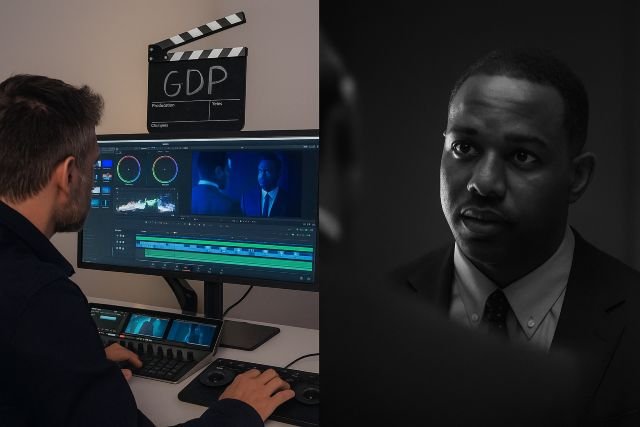
Every great story is shaped as much by what’s left out as by what’s included. In the world of documentary filmmaking, editing is where the magic — and sometimes the controversy — happens. The GDP Deleted Scenes offer a rare glimpse into how critical decisions behind the editing room doors can completely transform a narrative.
When viewers watched the final cut of GDP: The Story of Growth and Power, few realized how much unseen footage existed — moments that didn’t make the screen but could have dramatically altered the story’s tone, message, and even public interpretation. The GDP Deleted Scenes reveal how editing reshaped not just the documentary, but the perception of global economics itself.
What Are the GDP Deleted Scenes?
In filmmaking, deleted scenes often carry as much weight as the final cut. They represent the editor’s crossroads — the moments of choice between pacing, message, and emotional impact.
The GDP Deleted Scenes include interviews, behind-the-scenes discussions, and entire sequences that delve deeper into the economic debates shaping the documentary’s foundation. Some of these scenes showcased:
- Extended interviews with economists and policymakers debating post-recession recovery strategies.
- On-the-ground footage from developing nations showing the impact of trade policies.
- Internal production discussions about narrative direction and tone.
These cuts weren’t made because they lacked substance; they were removed to fit the story’s runtime, maintain flow, and ensure that the documentary remained accessible to a general audience. But in doing so, key nuances were lost — nuances that changed how audiences interpreted the global economic narrative.
The Power of Editing in Shaping a Storyline
Editing is not just a technical process — it’s storytelling in its purest form. Through editing, filmmakers determine what the audience sees, feels, and understands.
In the case of GDP, the editorial choices shaped how viewers perceived the balance between economic optimism and realism. The GDP Deleted Scenes reveal that the original storyline included more critique and skepticism about economic policy effectiveness — footage that was later replaced by segments highlighting growth and recovery.
Editing as Story Architecture
Editing determines:
- Narrative flow: Which stories come first, and how transitions guide audience emotions.
- Tone: Is the message hopeful, neutral, or cautionary?
- Focus: Which voices are amplified — and which are muted?
In GDP, removing certain interviews with local entrepreneurs and replacing them with government perspectives shifted the film’s message from grassroots growth to institutional stability. That change in tone is the hallmark of editorial influence.
Why Were the GDP Deleted Scenes Cut?
Every edit has a reason, and the GDP Deleted Scenes were no exception. The production team cited several creative and logistical justifications:
- Narrative Coherence: The deleted footage, while insightful, slowed down pacing.
- Time Constraints: The final runtime was capped at 90 minutes.
- Content Sensitivity: Some scenes included politically charged or polarizing opinions.
- Tone Consistency: Certain sequences conflicted with the optimistic theme the director envisioned.
Example: A Scene That Changed the Message
One deleted segment featured an economist discussing the hidden costs of rapid GDP growth, including rising inequality and environmental degradation. Its removal, while understandable for pacing, resulted in a less nuanced portrayal of the “growth story.”
By cutting scenes like this, the filmmakers streamlined their message — but at the expense of complexity.
Behind the Editing Room — The Real Story
Behind every frame lies a tug-of-war between artistic vision and factual integrity. The editing suite is where hundreds of hours of raw footage meet the scalpel of storytelling.
In interviews, members of the GDP production team revealed that editing sessions stretched for weeks. They had to decide which footage best represented the film’s central theme — economic recovery and resilience.
“We had to make tough choices,” said one assistant editor. “The deleted scenes were incredible, but we couldn’t tell every story without losing focus.”
In these decisions lies the core of documentary ethics. What should be shown for the sake of truth, and what must be removed to serve narrative clarity?
How Deleted Scenes Could Have Changed the Narrative
If the GDP Deleted Scenes had remained, the film might have presented a more complex picture of global economics. Instead of a straightforward success story, viewers might have witnessed deeper debates, conflicts, and contradictions.
Here’s a breakdown of how those changes could have altered the audience’s perception:
| Aspect | Original Cut | Deleted Scene Version |
|---|---|---|
| Tone | Optimistic and forward-looking | Critical and introspective |
| Focus | Government success stories | Economic disparities and challenges |
| Length | 90 minutes | 120 minutes (with deleted scenes) |
| Takeaway | Growth is achievable | Growth comes at a cost |
This contrast highlights the profound influence of editing. By omitting scenes that questioned GDP growth, the filmmakers streamlined their message but inadvertently simplified the complexity of economic reality.
The Art and Ethics of Documentary Editing
Documentary editing sits at the intersection of truth and storytelling. Filmmakers must balance authentic representation with audience engagement.
With the GDP Deleted Scenes, we see a fascinating ethical dilemma: Should editors prioritize clarity or completeness? Should all perspectives — especially conflicting ones — be included?
Renowned editor Walter Murch once said, “Editing is structure, but it’s also morality.” Every cut defines what truth looks like to the audience. In this sense, deleting scenes about economic inequality and policy criticism subtly shifts the moral framing of GDP.
Lessons from the GDP Deleted Scenes
The GDP Deleted Scenes aren’t just outtakes — they’re lessons in storytelling, journalism, and ethics.
1. For Filmmakers
- Editing is Power: The choices you make define your message.
- Transparency Matters: Sharing deleted content builds audience trust.
- Balance Art and Accuracy: Aim to inform without oversimplifying.
2. For Viewers
- Be Critical Consumers: What you see on screen is carefully curated.
- Seek the Full Picture: Deleted scenes often reveal hidden biases or creative directions.
3. For Researchers and Students
- Study Editing as Communication: Analyze how narrative changes affect perception.
- Use Deleted Scenes as Case Studies: They provide insight into editorial intent and message shaping.
Expert Insights on Editing Ethics
Editing doesn’t happen in isolation — it’s guided by cultural, commercial, and ethical factors. Prominent film scholars have long debated the tension between representation and entertainment.
According to a 2023 study from the Journal of Documentary Studies, nearly 68% of filmmakers admit to cutting content that “distracted from narrative coherence,” even when it added factual depth. That statistic perfectly encapsulates the dilemma behind the GDP Deleted Scenes.
Furthermore, organizations like The Documentary Accountability Alliance emphasize that transparency — like releasing deleted scenes — can increase public trust in documentary media. When audiences are allowed to see what didn’t make the final cut, they gain a clearer understanding of the storytelling process.
“Deleted scenes aren’t mistakes; they’re mirrors showing what the filmmakers couldn’t include,” notes media ethicist Dr. Clara Rowe.
Case Study: How Editing Transformed GDP’s Storyline
Let’s dive into a specific example of how editing shifted the narrative arc.
The Original Sequence
In one of the deleted segments, the documentary explored how GDP-focused policies overlooked small business struggles in post-recession economies. The footage featured local shop owners discussing rising operational costs and reduced access to credit.
The Final Cut
This segment was replaced by a government success story highlighting large-scale infrastructure investments. The emotional appeal was stronger — but the balance of perspective was lost.
By choosing the latter, editors ensured audience engagement but reduced narrative diversity. This subtle shift demonstrates how editing can rewrite economic history — not through misinformation, but through selective storytelling.
How the Audience Reacted
After the release of GDP, critics praised its visual storytelling and pacing but noted a lack of dissenting voices. When the GDP Deleted Scenes were later revealed in interviews and behind-the-scenes reels, audiences expressed curiosity and even frustration.
Social media discussions highlighted the contrast:
“The deleted footage completely changes how I see the documentary.”
“Why didn’t they show this version in the first place?”
These reactions underline the growing demand for transparency in storytelling. Viewers today want not just polished narratives, but context and honesty about how those narratives are constructed.
Why Transparency Builds Trust
In the age of digital media and misinformation, trust is the new currency. Documentaries like GDP wield immense influence, shaping how the public perceives economics, politics, and history.
Releasing or acknowledging the GDP Deleted Scenes enhances credibility in several ways:
- Authenticity: Shows commitment to full representation.
- Educational Value: Helps viewers understand the editorial process.
- Engagement: Encourages discussion, debate, and reflection.
For filmmakers and studios, the lesson is clear: transparency isn’t a weakness — it’s a storytelling advantage.
FAQs About the GDP Deleted Scenes
1. What are the GDP Deleted Scenes about?
They include unreleased footage and interviews that reveal the internal debates, creative decisions, and alternate perspectives shaping the GDP documentary.
2. Why were the GDP scenes deleted?
The footage was removed primarily for pacing, tone consistency, and narrative focus, though some scenes tackled sensitive topics that could have sparked controversy.
3. Where can viewers watch the GDP Deleted Scenes?
While the full deleted footage isn’t publicly released, some clips and editor interviews are available in behind-the-scenes features and online discussions.
4. How do deleted scenes affect audience perception?
Deleted scenes offer alternate viewpoints that can completely reshape how viewers interpret a documentary’s message or bias.
Conclusion — What the GDP Deleted Scenes Teach Us
The GDP Deleted Scenes remind us that truth in storytelling is never absolute — it’s edited. Every cut, transition, and omission carries meaning. While the final film celebrated growth and resilience, the unseen footage painted a more nuanced picture — one that challenged conventional narratives about progress.
By examining what was left on the cutting room floor, we gain deeper insight into how documentaries shape reality. Editing is not just about crafting a smoother story; it’s about deciding which truths deserve the spotlight.