
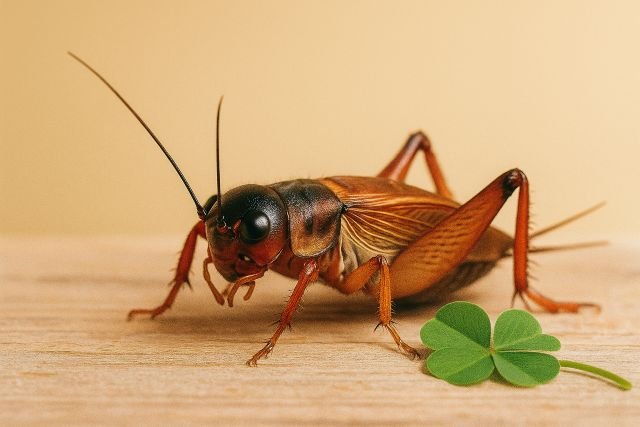
Introduction to the belief of crickets bringing good luck
Throughout history, various animals and insects have been woven into the fabric of superstitions and folklore. Among them, crickets hold a unique place as symbols of good fortune. The soft chirping that fills the night air has led many to wonder: are crickets good luck? This ancient belief transcends cultures and generations, sparking curiosity about its origins and significance. As we delve deeper into this intriguing topic, we’ll uncover the rich tapestry surrounding these small yet mighty creatures. Prepare to explore not just what crickets represent in different societies but also how their behaviors might influence our perception of luck itself.
Are Crickets Good Luck?
The belief that crickets bring good luck is rooted in folklore and tradition. Many cultures regard these small insects as symbols of prosperity and protection. Their distinct chirping often signals a change in seasons, which adds to their mystical reputation.
In some parts of the world, hearing a cricket inside your home is considered an omen of fortune. People would go so far as to keep them as pets for this very reason.
Crickets are known for their resilience and adaptability, traits that resonate with those seeking positive changes in life. Their presence can be reassuring, suggesting that hope might just be around the corner.
Whether you believe in superstitions or not, crickets have sparked curiosity throughout history. They remind us of nature’s wonders and our deep-rooted connections to ancient beliefs about luck and fate.
The history and origin of this belief
The belief that crickets bring good luck dates back centuries. Ancient civilizations, including the Chinese and Native Americans, revered these small insects. They were often seen as omens of prosperity and protection.
In China, crickets symbolize wealth. Keeping them in homes was thought to attract fortune and ward off evil spirits. This practice extended to using cricket chirps for predicting weather changes — a sign of abundance or scarcity ahead.
Similarly, Native American tribes viewed crickets as messengers from the spirit world. Their presence was believed to signal upcoming blessings or significant life changes.
These early associations shaped cultural traditions around the globe. In some regions, people still hang cricket cages in their homes during festivals to invite happiness into their lives. The reverence stems not just from superstition but also from an appreciation for nature’s rhythm and balance.
Cultural significance and traditions surrounding crickets
Crickets have held a unique place in various cultures around the world. In Chinese tradition, they are revered as symbols of prosperity and good fortune. The ancient practice of keeping crickets as pets is believed to bring wealth and happiness to households.
In Japan, these little creatures are celebrated during festivals. Their songs inspire poetry and art, symbolizing resilience and hope amidst adversity. People often carry cricket charms for protection and luck.
Native American tribes also view crickets with respect. They consider their chirping a sign from the spirit world, offering guidance on decisions or warnings about impending changes.
Similarly, in European folklore, hearing a cricket inside one’s home was seen as an omen of good luck that foretold positive news or financial gain. This reverence across different cultures highlights the universal fascination with these small yet impactful insects.
Scientific explanations for cricket behavior
Crickets are fascinating creatures, and their behaviors often spark curiosity. One of the most intriguing aspects is their distinctive chirping sound. This noise serves multiple purposes, primarily mating calls. Male crickets produce these sounds to attract females, showcasing their fitness and vitality.
Temperature plays a crucial role in cricket activity. Research shows that higher temperatures lead to more frequent chirping. The correlation between temperature and cricket song has even led scientists to create formulas for predicting the weather based on how many times crickets chirp in a minute.
Additionally, crickets exhibit unique social interactions within their environments. They communicate through various signals beyond sound, using body language and pheromones to establish territory or warn others of predators.
Understanding these behaviors provides insights into why people might see them as symbols of luck or prosperity in different cultures around the world.
Other animals and insects believed to bring good luck
Many animals and insects across cultures are considered harbingers of good fortune. For instance, ladybugs are often seen as symbols of luck in Western traditions. Spotting one may suggest that your wishes will soon come true.
In Asian cultures, the dragonfly holds a special place. It is believed to bring happiness and prosperity. When you see one, it’s thought to be a sign of positive changes ahead.
Turtles also feature prominently in various folklore. They symbolize longevity and stability, making them lucky charms for many people around the world.
Even common creatures like spiders can carry good omens! In some beliefs, finding a spider web in your home signifies wealth coming your way.
Each culture adds its own twist to these interpretations, weaving together an intricate tapestry of animal symbolism associated with luck and fortune.
Personal anecdotes and experiences with crickets as a symbol of luck
Growing up, my grandmother always swore that crickets were a sign of good fortune. She kept a small jar on her windowsill, filled with dried ones she had collected over the years. Whenever they chirped outside her window, she’d smile and say something wonderful was about to happen.
One evening, while camping in the woods, I heard a cricket serenading under the stars. It felt magical. The next day brought unexpected news — a long-awaited job offer arrived just as we packed up to leave.
A friend once told me about finding a cricket inside his car right before an important interview. He took it as an omen of success and ended up landing the role he desired most.
These little creatures have left their mark on many lives; each story is unique but often intertwined with themes of hope and new beginnings.
Conclusion: Should we believe in the good luck charm of crickets?
Crickets have long been associated with good fortune in various cultures. The belief has roots that stretch back to ancient times, where the chirping sound of crickets was seen as a positive omen. Many people still hold on to this notion today, finding solace and hope in these small creatures.
While the science behind cricket behavior reveals fascinating insights into their lives, it doesn’t necessarily diminish the charm they hold for many individuals. It’s interesting how personal experiences shape our beliefs about luck. Some may recall moments when a cricket’s presence coincided with life changes or fortunate events.
The traditions surrounding crickets vary widely across different cultures but share a common theme: they represent prosperity and protection. For those who embrace these symbols, there is comfort in believing that such creatures can bring harmony into their lives.
Whether you’re superstitious or skeptical, encountering a cricket certainly sparks curiosity. As with many aspects of life and nature, some find meaning where others see randomness.
So should we believe in the good luck charm of crickets? Maybe it all comes down to what resonates personally with each individual — after all, sometimes it’s not just about whether something is true or false but how it makes us feel and inspires us along our journey.