
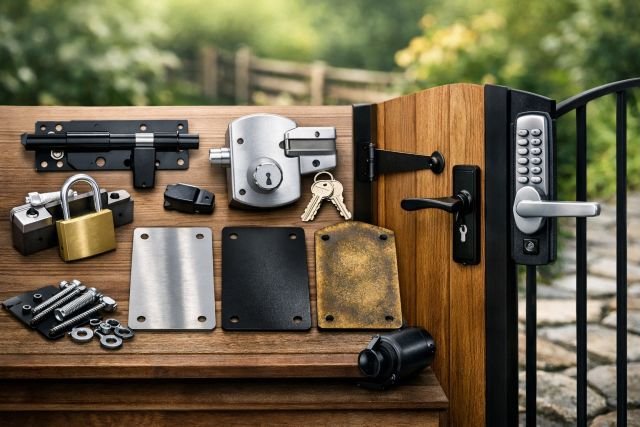
A gate lock is one of the most important yet often overlooked components of property security. Within the first few moments of securing a home, garden, or commercial space, the right gate lock determines how effectively access is controlled. Whether installed on a wooden garden gate or a heavy metal driveway gate, a gate lock provides peace of mind, privacy, and protection.
As security concerns rise globally, property owners are becoming more intentional about choosing durable and reliable gate lock solutions. According to international crime prevention studies, visible and well-installed locking systems can reduce unauthorized access incidents by over 40%. This guide explains everything you need to know about gate lock features, materials, benefits, and real-world usage so you can make an informed decision.
What Is a Gate Lock and Why It Matters
A gate lock is a locking mechanism designed specifically for gates rather than doors. Unlike indoor locks, a gate lock must withstand weather exposure, temperature changes, and physical stress.
Gate locks matter because gates are often the first line of defense for a property. A weak or poorly chosen lock can compromise overall security, even if the rest of the property is well protected.
Security experts consistently emphasize that layered security, starting with perimeter access points such as gates, is one of the most effective deterrents against intrusion.
Types of Gate Lock Systems
Mechanical Gate Lock Solutions
Mechanical gate lock systems rely on traditional locking mechanisms such as latches, keyed cylinders, or padlock-based designs. These locks are popular due to their simplicity and reliability.
A mechanical gate lock does not require electricity or batteries, making it ideal for outdoor environments and remote locations. Properly maintained mechanical locks can function reliably for decades.
Keyed Gate Lock Designs
Keyed gate locks use a physical key to control access. They are commonly used for residential gates, garden entrances, and storage enclosures.
This type of gate lock is valued for its straightforward operation and affordability. However, key management becomes important when multiple users require access.
Digital and Smart Gate Lock Options
Modern properties increasingly adopt digital gate lock systems. These locks use keypads, RFID cards, or smartphone apps for access control.
Smart gate locks allow property owners to track access activity and change codes remotely. According to security technology research from Statista, smart lock adoption has grown steadily due to convenience and enhanced control.
Common Materials Used in Gate Lock Manufacturing
Stainless Steel Gate Lock Construction
Stainless steel is one of the most durable materials used for gate lock manufacturing. It offers excellent resistance to rust, corrosion, and physical wear.
This material is ideal for outdoor gates exposed to rain, humidity, and temperature extremes. Stainless steel gate locks are commonly used in coastal and high-moisture environments.
Brass and Alloy Gate Lock Materials
Brass gate locks are known for their strength and classic appearance. They resist corrosion better than many metals and are often chosen for decorative gates.
Alloy-based gate locks combine multiple metals to balance durability and cost. These locks are widely used in residential applications.
Iron and Heavy-Duty Steel Gate Locks
Iron and heavy-duty steel gate locks are designed for maximum strength. They are often used in industrial, agricultural, and commercial settings.
While extremely durable, these locks require protective coatings to prevent rust and extend lifespan.
Key Features to Look for in a Gate Lock
Weather Resistance and Durability
A gate lock must perform reliably in outdoor conditions. Weather-resistant finishes, sealed mechanisms, and corrosion-resistant materials are essential.
According to the American Society for Testing and Materials, outdoor hardware failure is most commonly caused by moisture infiltration and corrosion.
Ease of Installation and Compatibility
Not all gate locks fit every gate type. A well-designed gate lock should be compatible with wood, metal, or composite gates.
Ease of installation reduces labor costs and ensures proper alignment, which directly impacts lock performance and longevity.
Security Level and Locking Strength
Security strength varies significantly among gate lock designs. Heavy-duty locking bolts, reinforced housings, and tamper-resistant features improve protection.
A secure gate lock should resist forced entry attempts such as prying or cutting.
Gate Lock Applications in Different Settings
Residential Gate Lock Use
In residential settings, a gate lock protects gardens, side entrances, and driveways. Homeowners often choose locks that balance security with ease of daily use.
A visually appealing gate lock also enhances curb appeal while maintaining safety.
Commercial and Industrial Gate Lock Needs
Commercial properties require gate locks that handle frequent use and higher security demands. These locks are often paired with access control systems.
Industrial gate locks prioritize strength and reliability over aesthetics.
Agricultural and Rural Gate Lock Solutions
In rural areas, gate locks secure farmland, livestock enclosures, and equipment storage. Simplicity and durability are key considerations.
Mechanical gate locks are especially popular in these environments due to their low maintenance requirements.
Benefits of Installing a Quality Gate Lock
A high-quality gate lock significantly improves property security. It creates a physical barrier that discourages unauthorized access.
Gate locks also provide privacy, particularly for homes with outdoor living spaces or gardens. For businesses, they help control access and reduce liability risks.
Insurance studies suggest that properties with secure perimeter locking systems may qualify for reduced premiums due to lower risk exposure.
Gate Lock Maintenance and Longevity
Regular maintenance extends the life of a gate lock. Cleaning dirt and debris prevents internal wear and ensures smooth operation.
Lubricating moving parts and inspecting mounting hardware helps avoid mechanical failure. Outdoor locks benefit from periodic rust protection treatments.
According to Fine Homebuilding experts, simple annual maintenance can double the functional lifespan of outdoor locking hardware.
How to Choose the Right Gate Lock
Choosing the right gate lock starts with understanding the gate’s purpose and location. High-traffic gates require stronger, more durable locks.
Material choice should reflect environmental conditions. Coastal areas benefit from stainless steel, while dry regions allow more flexibility.
Budget matters, but investing in a quality gate lock often prevents costly replacements and security issues later.
Common Questions About Gate Lock Selection
Is a Gate Lock Different From a Door Lock?
Yes, a gate lock is specifically designed for outdoor use and exposure to weather. Door locks are typically not built to handle the same conditions.
Can One Gate Lock Work for Both Wood and Metal Gates?
Some gate locks are adjustable and compatible with multiple gate materials. Always check manufacturer specifications before purchase.
How Long Does a Gate Lock Last?
A quality gate lock can last between 10 and 25 years, depending on material, usage, and maintenance.
Security Trends and Innovations in Gate Locks
Gate lock technology continues to evolve. Smart gate locks integrate with home security systems and offer remote access control.
Biometric gate locks, while less common, are emerging in high-security applications. These trends reflect a broader shift toward connected security solutions.
Research from global security organizations shows that integrated perimeter security systems significantly reduce unauthorized access incidents.
Real-World Scenario: Gate Lock Upgrade Impact
A residential community replaced basic latch systems with heavy-duty gate lock installations on shared garden entrances. Within one year, unauthorized entry complaints dropped significantly.
In a commercial setting, upgrading to a digital gate lock allowed controlled access for employees while maintaining detailed entry logs. This improved both security and accountability.
These examples demonstrate how the right gate lock choice directly influences safety and convenience.
Conclusion: Why the Right Gate Lock Is a Smart Investment
A gate lock is more than a simple piece of hardware. It is a critical component of property security, privacy, and peace of mind. By choosing a gate lock with the right features, materials, and security level, property owners protect both people and assets.
Whether for residential, commercial, or rural use, investing in a high-quality gate lock delivers long-term value through durability, reduced risk, and reliable performance. In an era where security starts at the perimeter, the right gate lock is not an option, but a necessity.