
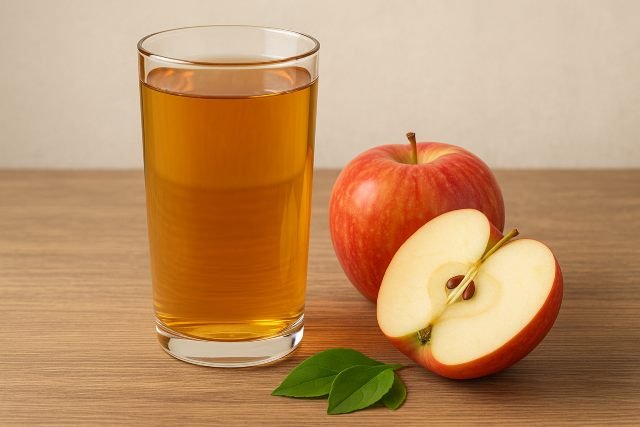
Understanding Apple Juice Nutritional Content is essential for anyone who enjoys fruit juices or wants to make nutritious beverage choices. Apple juice is one of the most widely consumed fruit juices in the world, appreciated for its refreshing taste and natural sweetness. But beyond its flavor, apple juice contains vitamins, antioxidants, and minerals that may offer several health benefits. This guide breaks down the calories, nutrients, health effects, and how apple juice compares to whole apples — helping you make informed dietary decisions.
Whether you’re curious about sugar levels, vitamin content, or its role in hydration, this comprehensive article explores everything you need to know.
What Makes Apple Juice Nutritious? A Quick Overview
Apple juice contains a mix of essential nutrients, including vitamin C, potassium, polyphenols, and natural sugars. Though it lacks the fiber found in whole apples, it still provides hydration, antioxidants, and fast energy.
Core Nutritional Highlights
- Low in fat and protein
- Naturally sweet
- Contains plant antioxidants (polyphenols)
- Provides key minerals like potassium
- High hydration value (over 88% water)
Complete Apple Juice Nutritional Content Breakdown (Primary Keyword)
To better understand the Apple Juice Nutritional Content, here’s a detailed breakdown of calories, vitamins, minerals, and sugar levels in one standard 8-ounce (240 ml) serving.
Nutritional Table (Per 8 oz / 240 ml Serving)
| Nutrient | Amount | % Daily Value |
|---|---|---|
| Calories | 110 | – |
| Total Fat | 0 g | 0% |
| Cholesterol | 0 mg | 0% |
| Sodium | 10 mg | <1% |
| Potassium | 260 mg | 6% |
| Total Carbohydrates | 28 g | 10% |
| – Sugars (natural) | 24 g | – |
| – Dietary Fiber | 0–1 g | 0–4% |
| Protein | 0 g | 0% |
| Vitamin C | 100% DV (if fortified) / 6% (unfortified) | Varies |
| Polyphenols (Antioxidants) | 100–200 mg | – |
Health Benefits of Apple Juice
Despite its simple nutrient profile, apple juice provides several benefits — especially when consumed in moderation.
1. Excellent Source of Hydration
Apple juice is more than 88% water, making it a great hydration option. Studies published in the Journal of the International Society of Sports Nutrition show that drinks with natural sugars and electrolytes increase water retention better than water alone.
Why It Helps Hydration
- Natural sugars aid absorption
- Contains potassium
- Palatable taste encourages fluid intake
2. Supports Heart Health
The polyphenols in apple juice may contribute to improved cardiovascular function.
Heart Health Benefits
- Antioxidants help reduce oxidative stress
- Potassium supports healthy blood pressure
- Some studies link apple polyphenols to lower LDL oxidation
A study in Nutrition Journal found that polyphenol-rich juices may reduce markers of cardiovascular disease.
3. Provides Quick Energy
Because apple juice contains natural carbohydrates, it provides quick energy, making it useful before workouts or during energy dips.
Best For:
- Athletes needing fast carbohydrates
- Morning energy boost
- Children needing quick hydration and fuel
4. May Support Digestive Health
While apple juice doesn’t contain much fiber, it may still aid digestion in specific cases.
How It Helps:
- Contains sorbitol, a natural sugar alcohol with mild laxative effects
- Helps soften stools
- Commonly recommended for mild constipation in children
5. Rich in Antioxidants
Even filtered apple juice contains plant antioxidants such as:
- Flavonoids
- Phenolic acids
- Quercetin
These compounds help fight free radicals and support cellular health.
Calories in Apple Juice: Is It Too Much Sugar?
One of the top concerns about apple juice is its sugar content.
Key Points:
- A standard serving contains 24 grams of natural sugar.
- No added sugar (if labeled “100% juice”).
- However, without fiber, absorption is rapid — leading to potential blood sugar spikes.
Good for:
- Quick energy
- Hydration
- Occasional consumption
Not ideal for:
- Low-carb diets
- Diabetics (unless portion-controlled)
- Weight-loss plans if consumed excessively
Vitamins & Minerals in Apple Juice
Here’s a closer look at the micronutrients that make apple juice beneficial.
Vitamin C
- Most commercial apple juice is vitamin C–fortified.
- Provides antioxidant protection and immune support.
Potassium
- Essential for heart rhythm, nerve function, and muscle balance.
- Apple juice contributes about 6% of the daily recommended amount.
Polyphenols
These include quercetin, catechins, and chlorogenic acid, known for their anti-inflammatory benefits.
Does Apple Juice Contain Fiber?
Filtered apple juice contains almost no fiber.
Unfiltered or “cloudy” apple juice contains 1–2 grams of fiber and more antioxidants.
Apple Juice vs. Whole Apples — Nutritional Comparison
| Nutrient | Apple Juice | Whole Apple |
|---|---|---|
| Calories | Higher | Lower per serving |
| Fiber | Very low | High |
| Sugar | Higher (no fiber to slow absorption) | Lower, slow-release |
| Satiety | Low | High |
| Vitamins/Minerals | Similar | Slightly higher |
| Antioxidants | Moderate to high | High |
Verdict:
Apple juice is great for hydration and fast energy, while whole apples are better for fiber, satiety, and blood sugar management.
How Much Apple Juice Should You Drink?
Nutritionists recommend:
- 4–8 oz per day for adults
- 4 oz per day for children
Frequently Asked Questions (Featured Snippet Optimized)
Is apple juice healthy?
Yes — when consumed in moderation. It contains antioxidants, potassium, and hydration benefits, but also has high natural sugar.
Does apple juice have vitamins?
Yes. Apple juice contains vitamin C (especially fortified varieties), potassium, and polyphenol antioxidants.
How many calories are in apple juice?
About 110 calories per 8-ounce serving.
Is apple juice good for digestion?
Yes, due to mild sorbitol content which may help with mild constipation.
Is unfiltered apple juice healthier?
Unfiltered or cloudy apple juice contains more fiber and antioxidants.
Conclusion
Understanding Apple Juice Nutritional Content helps you make smarter choices about what you drink. While apple juice contains natural sugars, it also delivers hydration, antioxidants, potassium, and vitamin C — especially in fortified varieties. Whether you’re looking for a refreshing drink, quick energy, or a nutrient-rich beverage for kids, apple juice can fit into a healthy diet when enjoyed in moderation. Always choose 100% juice, watch portions, and compare filtered versus unfiltered options to match your health goals.