
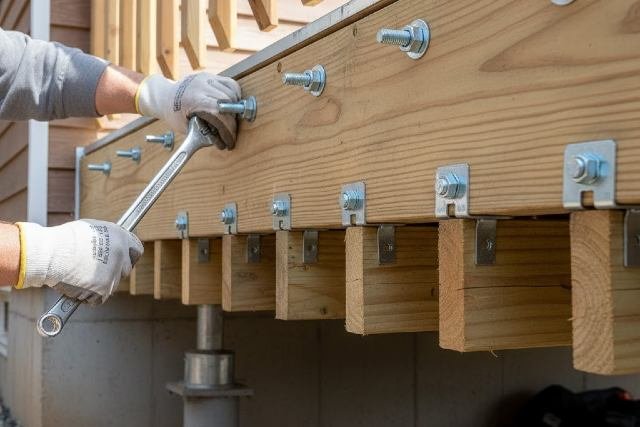
A Ledger Board is one of the most critical structural components in deck construction, yet it’s often misunderstood or installed incorrectly. In simple terms, the ledger board is the horizontal framing member that connects a deck directly to a house or building. Within the first 100 words, the term Ledger Board is essential because it defines the foundation of deck stability, safety, and long-term structural performance. When properly installed, it ensures the deck can support thousands of pounds of weight, resist lateral forces, and remain securely fastened for decades.
This comprehensive guide explains what a Ledger Board is, its purpose, common uses, installation techniques, construction best practices, and expert tips that homeowners, contractors, and DIY builders should know.
Understanding the Ledger Board: Definition & Function
A Ledger Board (sometimes called a deck ledger) is a horizontal structural board fastened to the side of a building. Its primary role is to transfer deck loads into the home’s framing system, serving as one of the two major supports (the other being the deck posts).
Key Functions of a Ledger Board
- Supports part of the deck’s weight by anchoring it to the house.
- Transfers vertical loads into the home’s load-bearing wall.
- Provides lateral stability to prevent deck separation.
- Acts as the main attachment point for deck joists.
- Ensures code compliance for attached decks.
According to the North American Deck and Railing Association (NADRA), improper ledger installation is a leading cause of deck failures, making professional guidance and building codes essential.
How a Ledger Board Works in Deck Construction
When you build a deck attached to a structure, the ledger board serves as a bridge between the deck framing and the house. It eliminates the need for additional posts on the house side and creates a cleaner, more stable frame.
How Loads Transfer
- Joists connect to the ledger using joist hangers.
- Weight moves through the joists into the ledger.
- Ledger transfers load into structural framing—usually rim joists or wall studs.
This system forms a rigid, unified structure capable of handling dynamic loads such as foot traffic, furniture, and weather.
When Do You Use a Ledger Board?
A Ledger Board is commonly used in:
Residential Decks
The most common application, especially for decks that connect directly to a house.
Balconies
Smaller balconies often rely on a ledger for structural support.
Porches
Covered or open porches may use ledger boards as primary support members.
Stairs
Ledger boards can anchor deck stair stringers for added stability.
Home Additions
Some framed extensions use ledger-style attachments for joists.
Pergolas (Occasionally)
When attached to a wall rather than fully freestanding.
Ledger Board Material Selection
Choosing the correct ledger board material ensures longevity and code compliance.
| Material | Benefits | Best Use |
|---|---|---|
| Pressure-treated lumber (2×8, 2×10, 2×12) | Rot-resistant, strong, widely available | Standard decks |
| Engineered lumber (LVL) | High strength, minimal warping | Heavy-load decks |
| Cedar or Redwood | Premium appearance, natural decay resistance | High-end outdoor applications |
| Steel Ledger Board | Maximum durability, non-combustible | Commercial buildings |
Recommended Dimensions
Most residential decks use:
- 2×10 or 2×12 ledger boards
- Depth sized to match joist height
Building Codes & Requirements for Ledger Boards
Proper installation of a Ledger Board is mandated by building codes to ensure safety.
Key Code Requirements (IRC 2021 + Local Codes)
- Cannot attach to brick veneer
- Requires structural fasteners (lag screws or structural bolts)
- Must use proper flashing to prevent water damage
- Must support minimum live load of 40 psf
- Joist hangers must be rated and corrosion-resistant
- Requires lateral load connectors (up to 1,500 lbs of resistance)
Official code references:
- International Residential Code (IRC) Section R507
- American Wood Council (AWC) Deck Construction Guide
How to Install a Ledger Board (Step-by-Step Guide)
Step-by-Step Ledger Board Installation
Below is a professional installation guide for ensuring your ledger board is sturdy, safe, and code-compliant.
1. Choose the Ledger Location
- Identify the correct height of the deck surface.
- Mark the ledger position, accounting for decking thickness.
- Confirm you’re attaching to solid structural framing (rim joist or wall studs).
Never attach a ledger to hollow masonry or brick veneer.
2. Remove Siding
Cut exterior siding to expose the sheathing using a circular saw or siding remover.
Why: Direct contact ensures strong fastening and prevents moisture intrusion.
3. Install Waterproof Flashing
Use metal or PVC flashing above and behind the ledger.
Flashing Components:
- Z-flashing (top)
- Drip cap
- Butyl tape or self-adhesive flashing
This prevents water infiltration—a common cause of rot and deck failures.
4. Attach the Ledger Board
Hold the ledger board level and drill pilot holes based on code spacing.
Fastener Options
- Lag screws
- Carriage bolts
- Structural screws (e.g., LedgerLOk or FastenMaster)
Typical Spacing:
- 12–16 inches on center vertically
- 16–24 inches horizontally
Ensure fasteners penetrate the structural framing by at least 1½ inches.
5. Add Joist Hangers
Install galvanized or stainless-steel joist hangers.
Requirements:
- Proper nail type (joist hanger nails, not deck screws)
- Full set of required fasteners (no skipping holes)
6. Install Lateral Load Connectors
These metal connectors resist deck pull-out forces.
Examples:
- Deck tension ties
- Rough framing connectors
Most codes require four 750-lb resistance connectors (total 1,500 lbs).
7. Final Inspection
Check:
- Levelness
- Proper fastening
- Secure flashing
- No gaps between ledger and house
- Joist hanger alignment
Common Ledger Board Mistakes to Avoid
Attaching to Brick or Stucco
These cannot support deck loads.
Not Using Flashing
This leads to structural rot and mold.
Over-Spacing Fasteners
Weakens deck support and violates building codes.
Using Incorrect Fasteners
Deck screws are not structural-rated for ledger attachment.
Failing to Verify Load Path
Deck weight must transfer to rim joists or studs—not sheathing.
Signs Your Ledger Board Is Failing
Look for these warning signs:
- Sagging deck
- Visible gaps between house and deck
- Rusted fasteners
- Soft or rotted wood
- Water leaking into home
- Loose joists or hangers
- Separation during storms or snow loads
If any signs appear, hire a structural inspector immediately.
Expert Construction Tips for a Strong Ledger Board
1. Use Structural Screws Instead of Lag Bolts
Modern structural screws have higher shear capacity and easier installation.
2. Plan for Drainage
Use spacers or washers between the ledger and wall for ventilation.
3. Oversize Flashing
Flash at least 1 inch beyond the ledger’s top edge.
4. Level Twice, Drill Once
Ledger misalignment creates long-term joist issues.
5. Pre-seal Cut Edges
Particularly with pressure-treated lumber.
6. Use Stainless Steel Near Coastal Areas
Prevents corrosion from salt air.
7. Follow Local Codes
They may be stricter than IRC guidelines.
FAQ: Featured Snippet Optimized
What is a Ledger Board?
A Ledger Board is a horizontal structural board that attaches a deck to a house, transferring deck loads into the building’s framing.
Do you need a Ledger Board for a deck?
Yes, if you are building an attached deck. Freestanding decks do not use ledger boards.
What size Ledger Board should I use?
Most decks use a 2×10 or 2×12 ledger to match joist height.
Can a Ledger Board attach to brick?
No. Brick veneer cannot support deck loads and is prohibited by building codes.
How is a Ledger Board secured?
Using structural lag screws, bolts, or structural screws spaced according to IRC code tables.
Conclusion
A Ledger Board is one of the most important structural components in deck construction. Installed properly, it provides essential support, distributes loads into the home’s framing, and ensures the deck remains stable and safe for years. Understanding its purpose, uses, and best construction practices helps prevent structural failures and ensures compliance with building codes. Whether you’re a DIY builder or professional contractor, following the guidelines in this detailed guide will ensure your Ledger Board installation is durable, safe, and long-lasting.