
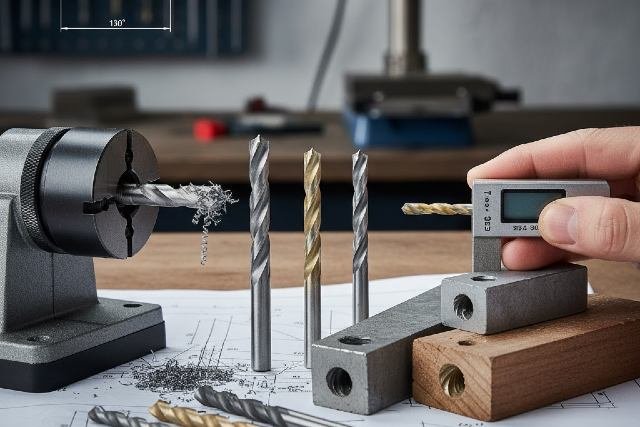
Introduction to Drill Bit Angle
When it comes to drilling, many factors come into play that dictate how effective your work will be. One often overlooked aspect is the drill bit angle. This tiny detail can dramatically influence everything from precision to speed. Whether you’re a DIY enthusiast or a seasoned professional, understanding drill bit angles can elevate your project and enhance overall performance.
Imagine working on a challenging task only to find out later that a simple adjustment in the drill bit angle could have saved you time and effort. Why let those opportunities slip away? Let’s dive deeper into the world of drill bits and discover how mastering this crucial element can transform your drilling experience.
Types of Drill Bit Angles
Drill bit angles play a crucial role in determining how effectively a drill works. Different types of angles cater to specific tasks and materials.
The point angle, usually between 118° and 135°, is essential for general-purpose drilling. A sharper angle can help penetrate harder materials faster, while a wide-angle may be better for softer substances.
Twist drill bits showcase various helix angles as well. A higher helix allows for quicker chip removal, ideal for soft metals like aluminum. Conversely, low-helix bits excel at boring into tough steel or wood.
Countersink drills are another type with unique angles designed to create conical holes that allow screws to sit flush with the material surface. These specialized bits ensure clean finishes on projects ranging from cabinetry to metalworking.
Understanding these different types enhances your ability to select the right tool for each job, ensuring optimal performance every time you drill.
How Does Drill Bit Angle Affect Drilling Performance?
The drill bit angle plays a crucial role in the efficiency of your drilling tasks. When the angle is well-suited to the material, it allows for smoother penetration and reduces wear on both the bit and the equipment.
A sharper angle can enhance cutting speed, making it ideal for softer materials. However, this can lead to quicker dulling if used on harder surfaces. Conversely, a more obtuse angle provides better stability but may slow down progress through easier substrates.
Additionally, proper alignment of the drill bit with respect to its angle ensures minimal friction during use. This not only conserves energy but also extends tool life significantly. Finding that perfect balance between sharpness and stability will greatly influence your overall drilling performance.
Factors to Consider When Choosing the Right Drill Bit Angle
When selecting the right drill bit angle, several factors come into play. First, consider the material you’ll be drilling. Harder materials often require sharper angles for efficient penetration.
Next, think about the type of hole you need to create. For precision work or tight spaces, a steeper angle might enhance control and accuracy. On the other hand, flatter angles can optimize speed in softer materials.
Also take into account your drill’s power and torque capabilities. A powerful drill can handle more aggressive angles without stalling or causing damage.
Don’t forget to reflect on your project’s requirements — depth versus width matters significantly here as well. Each choice affects not just performance but also tool longevity and finish quality. Choose wisely to maximize effectiveness in every task!
Tips for Improving Drilling Performance with Proper Drill Bit Angle Selection
Selecting the right drill bit angle can significantly enhance drilling performance. Start by understanding the material you’re working with. Softer materials typically require a more acute angle for quick penetration, while harder materials benefit from a wider angle to reduce friction.
Another tip is to maintain consistent pressure throughout your drilling process. Too much pressure can cause overheating and dulling of the bit, whereas too little may slow down progress.
Regularly check your drill bits for wear and tear. A worn or damaged bit will not perform efficiently, regardless of its angle.
Experimentation also plays a key role in achieving optimal results. Don’t hesitate to try different angles based on specific tasks or projects.
Ensure that you’re using appropriate lubrication when necessary; this reduces heat buildup and extends the life of your drill bits while maximizing efficiency during operation.
Common Mistakes to Avoid When Working with Different Drill Bit Angles
One common mistake is using the wrong drill bit angle for the material. Each type of surface requires a specific angle to achieve optimal results. For instance, a sharper angle may be beneficial for softer materials but can cause issues with harder surfaces.
Another issue arises when users neglect to adjust their technique based on the drill bit angle. A steeper angle might require more pressure, while a shallower one demands finesse and precision. Ignoring these adjustments can lead to poor performance or even damage.
Many also overlook maintenance when working with various angles. Dull bits lose effectiveness quickly; regular sharpening ensures they perform as intended across different applications.
Some operators fail to consider heat build-up caused by incorrect angles during drilling. Excessive heat can ruin both the bit and workpiece integrity, leading to costly mistakes that could have been avoided with careful planning.
Conclusion
Understanding drill bit angle is crucial for anyone involved in drilling tasks, whether you’re a professional or a DIY enthusiast. The right angle can significantly enhance your performance and efficiency.
Choosing the appropriate drill bit angle depends on several factors including the material you are working with, the type of project at hand, and desired outcomes. This knowledge not only aids in achieving better precision but also extends the life of your tools.
Avoiding common mistakes when selecting and using different angles can make all the difference in your results. Keep experimenting with various angles to discover what works best for you.
By mastering drill bit angles, you’ll be well-equipped to tackle any drilling challenge with confidence. Embracing this aspect of tool selection will undoubtedly yield impressive results every time you pick up that drill.