
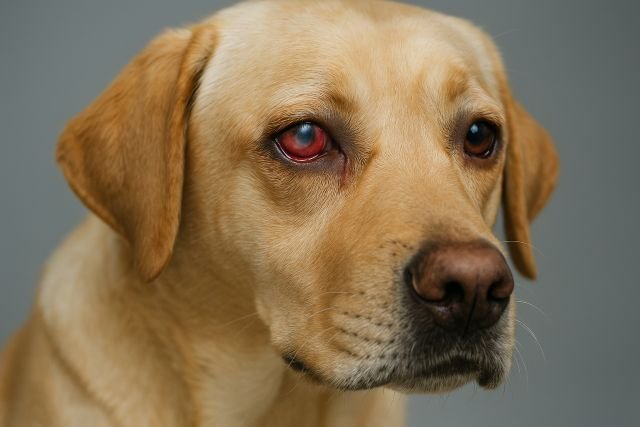
When it comes to our furry companions, their health is always a top priority. One issue that can cause concern for dog owners is the development of eye ulcers. These painful and potentially serious conditions can affect your dog’s vision and comfort if not addressed promptly. Understanding the ins and outs of an eye ulcer in dogs is crucial for any pet parent. From recognizing common causes to identifying symptoms, being informed can make all the difference in ensuring your pup gets back to wagging their tail without discomfort. Join us as we explore everything you need to know about eye ulcers in dogs, including effective treatments and preventive measures!
Common Causes of Eye Ulcers in Dogs
Eye ulcers in dogs can arise from various factors that compromise eye health. One common culprit is trauma, such as scratches or foreign objects entering the eye. Even a playful romp can lead to unexpected injuries.
Another significant cause is dry eye syndrome, where insufficient tear production leaves the cornea vulnerable. This condition often leads to irritation and subsequent ulcer formation.
Infections also play a role. Bacterial or viral infections can invade the delicate tissues of the eye, resulting in painful lesions. Additionally, certain breeds are predisposed to issues like entropion, where eyelids fold inward and irritate the cornea directly.
Allergies may contribute too, causing inflammation that makes eyes more susceptible to damage. Understanding these causes helps dog owners take proactive measures for their furry friends’ ocular health.
Symptoms to Look Out For
When it comes to eye ulcers in dogs, recognizing symptoms early can make a significant difference. One of the first signs you might notice is excessive tearing. This could be accompanied by redness around the eye.
Your dog may also squint or keep one eye closed more than usual. If they seem sensitive to light, that’s another red flag. Watch for any discharge; this can range from clear fluid to yellow or green pus.
Behavior changes are common too. Your pup might become irritable or reluctant to play as they normally would.
If your furry friend starts rubbing their face against furniture, it could indicate discomfort in their eyes. Pay close attention — early intervention is key!
How to Diagnose an Eye Ulcer in Your Dog
Diagnosing an eye ulcer in your dog requires a careful approach. Start by observing any changes in their behavior, especially with regard to their eyes.
A thorough examination should be performed by a veterinarian. They will likely use specialized tools to assess the surface of the cornea. This process often involves applying a fluorescent dye that makes ulcers more visible under specific lighting.
During the visit, your vet may also check for other underlying issues, such as infections or foreign bodies. Your dog’s medical history plays a crucial role too and can provide important context during diagnosis.
Remember to communicate all observed symptoms clearly. The sooner you identify problems, the better chance your pup has for effective treatment and recovery.
Effective Treatments for Eye Ulcers
When it comes to treating an eye ulcer in dogs, timely intervention is crucial. The veterinarian may prescribe topical antibiotics to fight off infection and promote healing. These medications help reduce inflammation and protect the affected area.
Pain relief is often a priority as well. Your vet might recommend analgesics or anti-inflammatory drugs to keep your furry friend comfortable during recovery. In some cases, additional treatments like medicated drops can be necessary for faster healing.
For stubborn ulcers, surgical options may come into play. Procedures such as conjunctival grafting involve using healthy tissue from another part of the eye to repair damage. This technique can significantly improve the chances of recovery.
Regular follow-up appointments are essential too. Monitoring the healing process allows veterinarians to adjust treatment plans if needed, ensuring optimal care for your beloved pet amidst their discomfort.
Preventing Eye Ulcers in Dogs
Preventing eye ulcers in dogs starts with regular check-ups at the vet. Routine examinations can catch any potential issues early.
Ensure your dog has a safe environment. Remove sharp objects and avoid exposing them to irritants like smoke or strong chemicals.
Proper grooming is essential too, especially for breeds with long hair. Keeping fur away from the eyes reduces irritation that could lead to ulcers.
Additionally, maintaining overall eye health is crucial. Regularly clean your dog’s eyes if they tend to get dirty easily. Use a gentle solution suited for pets.
Hydration plays a role as well; make sure your dog drinks enough water daily. A well-hydrated body supports healthy tissue repair and resilience against infections.
Keep an eye on their behavior, looking out for signs of discomfort or unusual squinting which may indicate underlying problems needing attention before they escalate into more serious conditions like an eye ulcer.
Conclusion
Eye ulcers in dogs are a serious concern that requires immediate attention. Understanding the causes and symptoms can help you act quickly, ensuring your furry friend receives the care they need.
Regular veterinary check-ups play a vital role in early detection and prevention of eye issues. Keeping an eye out for changes in behavior or appearance can make all the difference.
By staying informed about effective treatments and preventive measures, you can protect your dog’s vision and well-being. Your pet deserves a life free from discomfort, so be proactive in their health journey. Always consult with your veterinarian if you notice any signs of trouble — your dog will thank you for it!