
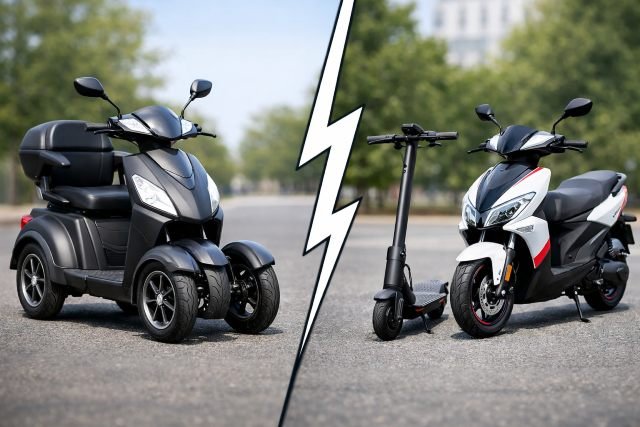
Electric scooters have become a practical solution for urban commuting, eco-friendly travel, and short-distance mobility. As the market grows, many buyers now face a crucial decision: choosing between a 3 wheel electric scooter and a traditional two-wheel model.
This choice goes far beyond design preference. Stability, safety, comfort, and everyday usability are all strongly influenced by the number of wheels. In this detailed guide, we explore the real differences between a 3 wheel electric scooter and two-wheel electric scooters to help you make an informed decision.
Understanding the 3 Wheel Electric Scooter Design
A 3 wheel electric scooter is designed with three ground contact points, either with two wheels at the front and one at the rear, or one wheel at the front and two at the back. This configuration significantly enhances balance and control, especially during low-speed riding and stopping.
These scooters are increasingly popular among adults, seniors, and commuters who value confidence and stability over aggressive speed. The extra wheel helps distribute weight more evenly, reducing the chances of tipping and improving overall ride security.
What Defines a Two-Wheel Electric Scooter
Two-wheel electric scooters follow a classic inline design with one front wheel and one rear wheel. This design is lightweight, agile, and widely available across all price ranges.
Most performance-oriented and portable scooters fall into this category. Riders who are comfortable balancing, similar to riding a bicycle, often appreciate the responsiveness and maneuverability of two-wheel models.
3 Wheel Electric Scooter vs Two-Wheel Models: Core Differences
| Feature | 3 Wheel Electric Scooter | Two-Wheel Electric Scooter |
|---|---|---|
| Stability | Very high | Moderate |
| Ease of use | Beginner-friendly | Requires balance |
| Turning style | Controlled and steady | Sharp and agile |
| Weight | Heavier | Lighter |
| Portability | Limited | Easy to carry |
| Low-speed safety | Excellent | Average |
| Target riders | Adults, seniors, beginners | Experienced riders |
Stability and Balance Comparison
Stability is the most noticeable advantage of a 3 wheel electric scooter. With three points of contact on the ground, these scooters remain upright even when stationary or moving slowly. This makes them particularly useful in stop-and-go city traffic and on uneven sidewalks.
Research from the World Health Organization highlights that multi-wheel mobility devices significantly reduce fall risk for users with balance concerns. This added stability is often the deciding factor for older riders or those recovering from injuries.
Two-wheel scooters, by contrast, require active rider balance. While experienced users adapt quickly, beginners may feel unstable during sudden braking or tight turns, especially on wet or uneven surfaces.
Safety Differences That Matter
A 3 wheel electric scooter generally offers better braking stability. Many models include dual front brakes, which shorten stopping distances and reduce forward pitching during emergency stops. The wider stance also improves visibility to cars and pedestrians, making intersections safer.
According to the U.S. National Highway Traffic Safety Administration, stability is one of the most critical factors in preventing micro-mobility accidents.
Two-wheel scooters can still be safe, but they demand greater rider attention. Sudden braking or loss of traction can lead to falls if balance is compromised.
Comfort and Ride Experience
Comfort is another area where a 3 wheel electric scooter excels. These scooters often feature wider decks, allowing riders to stand comfortably without constantly adjusting foot position. The upright posture reduces leg and core fatigue, making longer rides more enjoyable.
Two-wheel scooters tend to offer a sportier feel, which some riders prefer. However, longer rides can become tiring due to constant balance engagement, especially on rough terrain or poorly maintained roads.
Maneuverability and Turning Behavior
Two-wheel electric scooters are more agile by nature. They handle sharp turns easily and are ideal for weaving through crowded bike lanes or navigating narrow urban paths.
A 3 wheel electric scooter turns more deliberately. While the turning radius is slightly wider, the scooter maintains excellent traction and control, particularly during slower, controlled turns. This trade-off favors safety and predictability over quick directional changes.
Speed and Performance Expectations
In general, two-wheel electric scooters dominate the higher-speed category, with many models exceeding 25 miles per hour. A 3 wheel electric scooter typically focuses on moderate speeds, often ranging between 12 and 20 miles per hour.
For most urban commuters, higher speeds provide limited benefit due to traffic lights, pedestrian zones, and safety regulations. This makes three-wheel scooters more than adequate for daily city travel.
Portability and Storage Considerations
Portability is one of the main disadvantages of a 3 wheel electric scooter. The additional wheel and wider frame add weight and reduce foldability, making them less convenient for carrying upstairs or onto public transport.
Two-wheel scooters are generally lighter and easier to fold, which is ideal for riders who combine scooter travel with buses, trains, or office storage.
You may also find this related guide useful: Electric Scooter Buying Guide for Urban Commuters
Internal link example: /electric-scooter-buying-guide
Cost and Long-Term Value
A 3 wheel electric scooter usually costs more due to additional components and a more complex frame design. However, the long-term value can be higher for riders who prioritize safety, reduced fall risk, and comfort.
Two-wheel scooters offer a broader price range, from budget-friendly models to high-end performance machines. Maintenance costs can vary depending on riding style and frequency of use.
Who Benefits Most From a 3 Wheel Electric Scooter
A 3 wheel electric scooter is particularly well suited for beginners, seniors, and riders who prefer a relaxed and stable ride. It is also an excellent option for commuters who frequently stop, start, and ride on uneven city surfaces.
Many riders who previously experienced minor falls on two-wheel scooters report increased confidence and daily usability after switching to a three-wheel design.
Who Should Choose a Two-Wheel Electric Scooter
Two-wheel electric scooters are ideal for riders who value speed, agility, and portability. They suit users who are already comfortable balancing and want a lightweight option for fast-paced urban travel.
Environmental Impact and Efficiency
Both scooter types support sustainable transportation. They produce zero direct emissions and help reduce car dependency for short trips. According to the International Energy Agency, electric micro-mobility solutions can reduce short car trips by up to 30 percent in dense urban areas.
Maintenance and Durability
A 3 wheel electric scooter has slightly more mechanical components, but the improved stability often leads to fewer fall-related repairs. Tire wear is also more even due to balanced weight distribution.
Two-wheel scooters have fewer parts but may experience more frequent impact damage if ridden aggressively or on poor road surfaces.
Frequently Asked Questions
Is a 3 wheel electric scooter safer than a two-wheel model?
Yes, a 3 wheel electric scooter generally offers better stability and lower fall risk, especially during braking and low-speed riding.
Are three-wheel electric scooters suitable for adults?
They are highly popular among adults, particularly those who value comfort, safety, and ease of use over speed.
Do 3 wheel electric scooters tip over easily?
They are significantly harder to tip over compared to two-wheel scooters, making them ideal for beginners and seniors.
Conclusion
Choosing between a 3 wheel electric scooter and a two-wheel model ultimately depends on your priorities. If stability, safety, and comfort are your top concerns, a 3 wheel electric scooter is a reliable and confidence-enhancing choice.
If you prioritize speed, portability, and agile handling, a two-wheel electric scooter may better suit your needs. Understanding these key differences ensures you invest in a scooter that truly fits your lifestyle and daily mobility goals.